
The Political Landscape of 1850
In 1850, the Cape Colony was a hotbed of political debate and social upheaval. The newly drafted constitution, created by Attorney General William Porter, proposed a nonracial qualified franchise, allowing all adult males who occupied property worth at least twenty-five pounds for a year to vote. Governor Sir Harry Smith supported this progressive idea and sent it to London for approval.
However, Porter’s stance shifted dramatically later that year. He denounced the idea of universal suffrage for men of all colors, fearing it would lead to “communism, socialisms, and red republicanism,” which had caused chaos in France and other parts of Europe following the 1848 revolutions. This fear of radical change was echoed by many conservative voices in the Cape Colony.
The Arrival of Irish Convicts

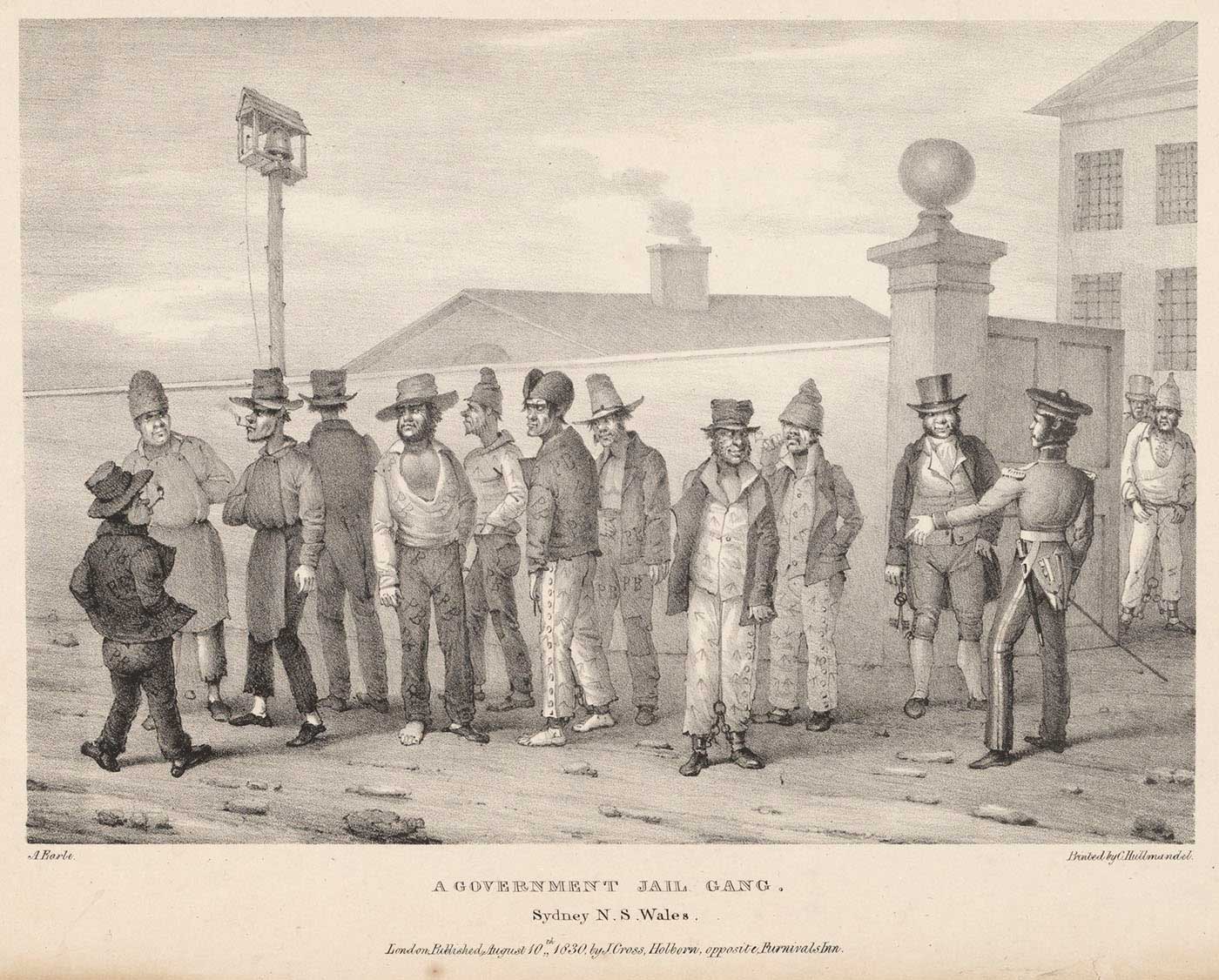
As Smith’s new constitution sailed towards London, another ship was heading south, carrying a dispatch from Colonial Secretary Earl Grey. This dispatch proposed sending Irish convicts to the Cape, a plan that horrified the local population. The settlers, already considering representative government, saw the Irish convicts as a threat to their respectability.
The arrival of the ship Neptune, bearing these convicts, sparked outrage. The convicts were refused entry to Cape Town and remained in chains in Simon’s Bay for five months before being ordered to sail away. This episode radicalized even moderate thinkers and pushed many towards demanding independent governance.

Political Movements: Conservatives vs. Radicals
This period revealed two distinct political movements within the Cape Colony. The conservative faction, pro-English and pro-British government, was led by figures like John Montagu and Robert Godlonton. They were supported by big merchants in Cape Town, Eastern Cape settlers, and the newly arrived Anglican Bishop, Robert Gray. These conservatives launched the Cape Monitor newspaper in October 1850.
On the other side were the radicals, both British and Afrikaner, led by John Fairbairn, Christoffel Brand, Francis William Reitz, and Andries Stockenstrom. They viewed the conservatives as a corrupt oligarchy but were divided on frontier policy. Fairbairn’s South African Advertiser defended the rights of blacks, while Brand focused on protecting the rights of Dutch descendants against the old-English elites.

Christoffel Brand: A Radical Leader
Christoffel Brand was a key figure among the radicals. Born in 1797, he came from a lineage of Dutch colonial administrators. After earning a doctorate in law from the University of Leiden, he returned to the Cape in 1821 and quickly became involved in local politics. Brand was instrumental in founding the Zuid-Afrikaansch Athenaeum, South Africa’s first university for Dutch-speaking students, and De Zuid-Afrikaan newspaper.
Brand’s bitterness towards the British government grew as he perceived the marginalization of the Cape Dutch community. The British replacement of the Dutch legal system with an Anglophone common law system radicalized him further, leading him to campaign for representative government and support the Anti-Irish Convict Movement.

Religious and Social Dynamics
The Cape’s society was a melting pot of religious and ethnic groups. Alongside the Dutch Calvinists, there were nineteen additional denominations ranging from Catholicism and Anglicanism to various non-conformist sects. The Muslim community, primarily descended from Malay slaves, was also significant, with the first mosque built in the 1850s. Freed slaves ran successful businesses, often competing with English and Dutch settlers.
The Complex Role of Islam
Islam played a unique role in the Cape’s history. Many slaves converted to Islam, filling the educational vacuum left by the Dutch, who avoided educating their slaves. The British and Dutch preferred Muslim workers in their wine cellars, and influential Muslim leaders like Shaikh Abdullah established strong communities. By the 1860s, even the Turkish authorities took an interest in the Cape’s Islamic matters.
The Eastern Frontier: British Kaffraria
In the far east of the Cape Colony, the region known as British Kaffraria was tightly controlled. The amaXhosa were confined to territories with no prospect of expansion, and British officials like Lieutenant Colonel George Mackinnon, Captain John Maclean, and Charles Brownlee played crucial roles in administering the area.
Mackinnon, though steeped in military tradition, proved ineffective as an administrator. Maclean, known as “the constable of our enemies” by the amaXhosa, was strict but just. Brownlee, fluent in isiXhosa and immersed in amaXhosa culture, represented a different type of colonial official, using his deep understanding of the people to influence colonial policies.
Climate and Agricultural Challenges
The British aimed to transform amaXhosa society through agricultural revolution. South Africa’s harsh climate, with its limited rainfall and high evaporation rates, made this a daunting task. Missionaries and British officials believed that modern farming techniques and irrigation could change the landscape, but the cost and logistical challenges were immense.
The Impact of British Policies
Governor Harry Smith’s policies sought to subjugate the amaXhosa and integrate them into the colonial system. This included controversial actions like seizing Xhosa women and children for labor. Smith’s approach, driven by a desire for quick results and recognition, often led to harsh and unethical practices.
Conclusion
The political and social dynamics of the Cape Colony in 1850 were complex and fraught with conflict. The conservative and radical factions clashed over the future of the colony, while the British administration struggled to impose its will on the diverse and resistant population. The climate and environmental challenges added another layer of difficulty to this turbulent period.



Leave a Reply