
Latest Episodes from the History of South Africa Podcast
The latest run of episodes on the History of South Africa Podcast continues to explore the dramatic final years of the Anglo-Zulu War, imperial ambition, betrayal, and the individuals caught in the collapse of kingdoms and empires.
Episode 266 — The Wakkerstroom Boer-Zulu Alliance and the Death of Prince Napoleon
This episode examines the increasingly unstable frontier politics of 1879 as Boer farmers along the Transvaal border quietly collaborated with Zulu forces against the British Empire. While Lord Chelmsford prepared for his final invasion of Zululand, the Boers of Wakkerstroom were guiding Zulu raiding parties toward English settlements and deepening imperial fears of a broader anti-British alliance.

At the centre of the story is the extraordinary and tragic death of Prince Louis Napoleon Bonaparte — the last heir of the Bonaparte dynasty — who arrived in South Africa seeking military glory and perhaps redemption for his family name. Reckless, impulsive, and eager to prove himself, the young prince ignored repeated warnings while accompanying British reconnaissance patrols in Zululand.
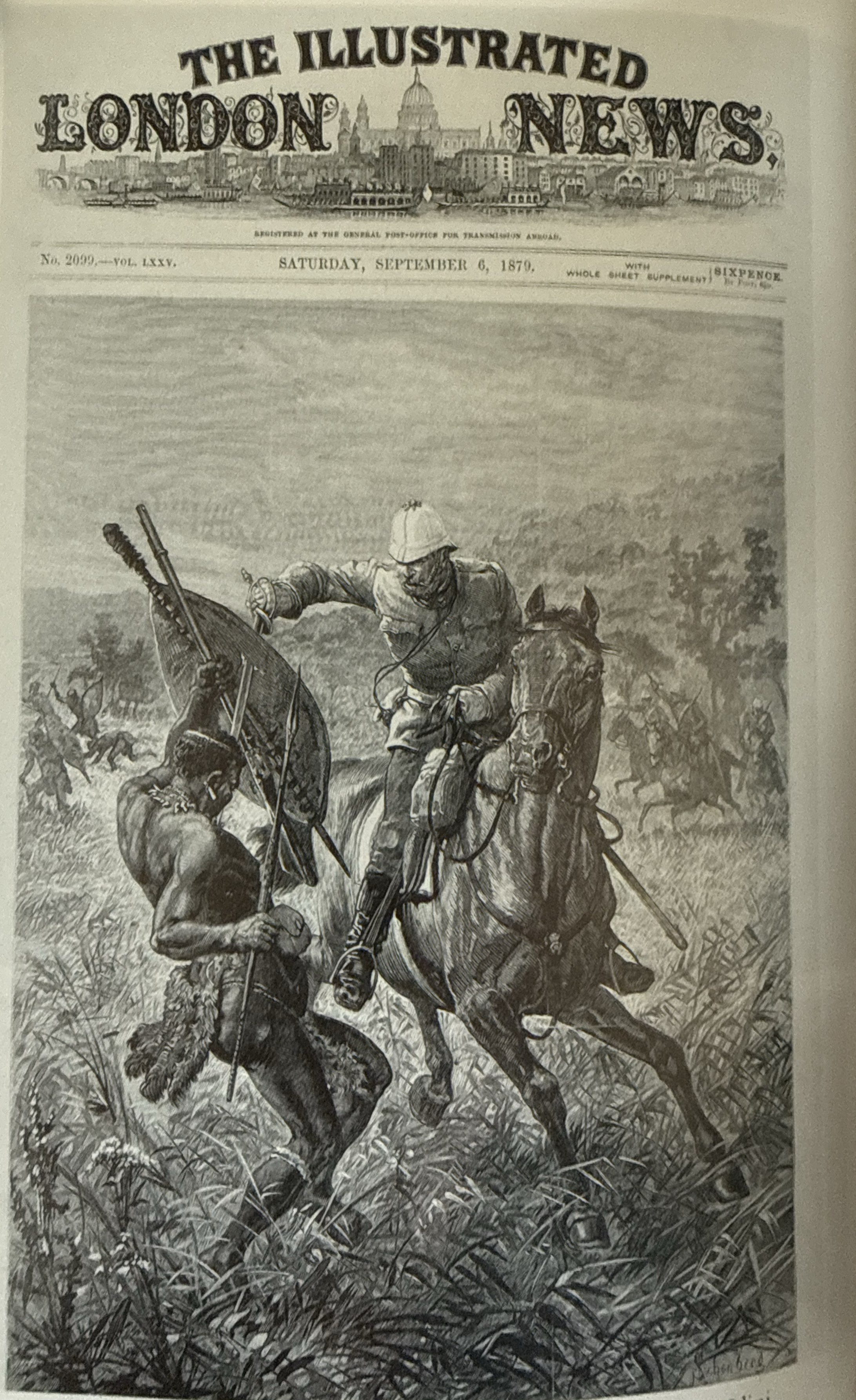
The episode follows the fatal patrol near the Tshotshosi Valley where Louis and his escort were surprised by Zulu warriors. Abandoned in the chaos after his horse bolted, the Prince Imperial died fighting with revolver and spear in hand. His death stunned Britain and France alike, intensified pressure on Chelmsford, and helped extinguish hopes of a negotiated settlement with King Cetshwayo.
Episode 267 — Betrayal at the End: Mnyamana, Cetshwayo’s Dutchman, and the Crushing of the Zulu Kingdom
Episode 267 shifts to the final collapse of the Zulu kingdom and the desperate attempts by King Cetshwayo to negotiate peace as British forces closed in on Ondini.
The story is partly told through the remarkable experiences of Cornelius Vijn — the young Dutch trader later immortalised in Cetshwayo’s Dutchman. Fluent in isiZulu and English, Vijn became translator, intermediary, and ultimately reluctant spy during the final months of the war.
As British political pressure mounted, Sir Garnet Wolseley was dispatched to replace Chelmsford, but Chelmsford raced to secure victory before his authority disappeared. Meanwhile, Zulu chiefs began defecting, alliances fractured, and the British systematically isolated Cetshwayo.

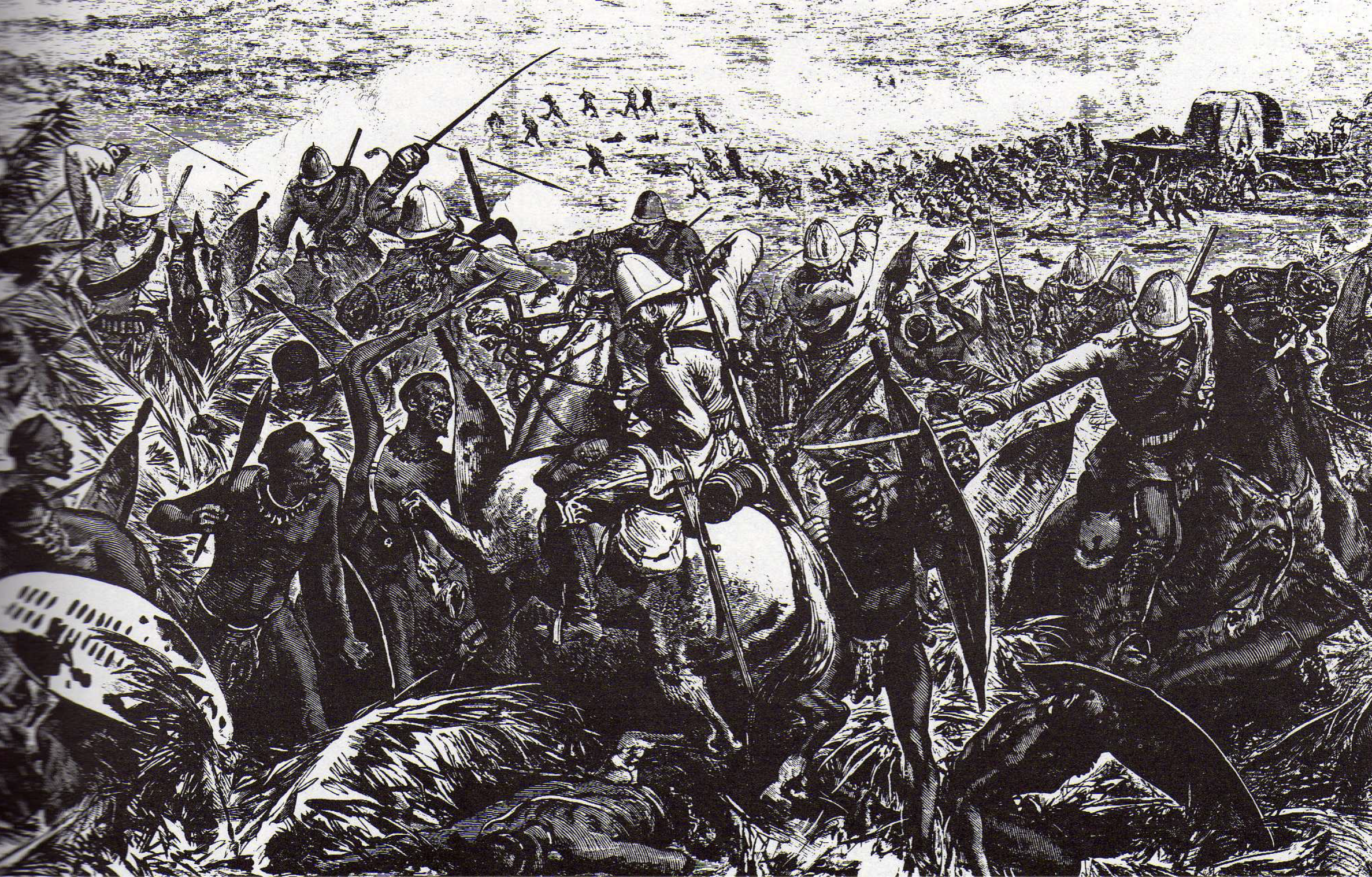
The episode culminates in the Battle of Ulundi, where the British army formed its famous hollow square and unleashed overwhelming rifle, artillery, and Gatling gun fire against massed Zulu regiments. The destruction of the Zulu army effectively ended the kingdom as an independent power.
I also explores one of the most spiritually significant symbols of the Zulu nation — the Inkatha yezwe yakwaZulu — and the profound political consequences of the kingdom’s symbolic destruction. In the aftermath, betrayal within the royal circle deepened the tragedy, as Mnyamana’s actions helped lead British forces to the hiding place of Cetshwayo himself.

Episode 268 — The Theodolite and the Hardepad: Thomas Bain’s Silent Mountain Pass Artisans
The next episode turns from war and conquest toward infrastructure, engineering, and the forgotten labour behind South Africa’s mountain passes. Focusing on the legendary road builder Thomas Bain, the episode explores how roads, passes, and transport routes transformed the colonial interior while relying heavily on the skill and endurance of unnamed African labourers and artisans.

The story examines the hardepad — the rough roadways carved through mountain landscapes — alongside the surveying instruments, engineering methods, and frontier realities that shaped nineteenth-century South Africa’s transport networks. It is also a reflection on the hidden hands who physically built the colonial state while remaining largely absent from the written historical record.
This episode explores the drama, brutality, ingenuity and poetry of 19th-century road building. Through the Swartberg, Tradouw and Bloukrans passes, we uncover how gunpowder, sweat, surveying chains and sheer intuition reshaped the Cape landscape — and how the “Hardepad” became both a literal road and a metaphor for suffering itself.
Episode 269 – Bapedi Chief Sekhukhune’s Cruel Fate and the Afrikaner Paradox
An exploration of Bapedi cosmology, spirit, shadow and ancestral belief opens into the devastating final struggle of Chief Sekhukhune against British imperial power. As Wolseley’s columns, Swazi allies and modern military tactics close in on the mountain fortress of the Bapedi, the episode traces one of the most dramatic sieges in southern African history. But alongside Sekhukhune’s fall emerges another story — the birth of Afrikaner nationalism, the paradoxes of Boer identity, and the British imperial blindness that unintentionally forged a more unified Afrikaner consciousness. A story of caves, kingdoms, race, language, memory and destiny colliding on the highveld.

Episode 270 – Kruger vs Black Michael and the Courageous Battle of Bronkhorstspruit Women
The First Anglo-Boer War erupts in confusion, pride and political contradiction as the British Empire stumbles into conflict with the Transvaal republics.
From Irish nationalists sympathising with the Boers to Paul Kruger’s bitter clashes with the abrasive “Black Michael” Hicks Beach, this episode follows the chain of humiliations and miscalculations that ignited rebellion. At Paardekraal, stones are piled into a sacred covenant of resistance, while at Bronkhorstspruit Boer marksmen annihilate a British column in minutes.

Amid the chaos, forgotten women emerge as unlikely heroes tending the wounded under fire. This is the beginning of a war that shattered British prestige and transformed the politics of South Africa forever.

Leave a Reply