

In this episode, we delve into a pivotal moment in South Africa’s history, as British sappers crossed Block Drift into Xhosaland, setting off a chain of events on the eve of war.

When we left off, we were following a squad of Royal engineers led by Lieutenant J Stokes, who crossed into amaXhosa territory in January 1846 to survey land for the site of a new fort. Little did they know, their crossing would lead to conflict.
Chief Mgolombane Sandile of the Rharhabe faced pressure from his people and other chiefs, leading to tensions escalating on the Eastern Cape frontier. The arrival of British troops under Lieutenant Governor John Hare at Block Drift further heightened the situation, with Sandile and his warriors prepared for action.
Despite the tense standoff, a confrontation was avoided, and negotiations began. However, the underlying issues of land ownership and control remained unresolved.
Back in Grahamstown, settlers and local officials clamored for action against the amaXhosa, viewing them as a threat to be removed from the land. Governor Sir Peregrine Maitland considered a pre-emptive military strike, while tensions continued to rise.
The spark that ignited the conflict came with the theft of an axe, leading to a series of events that culminated in the British declaring war on the amaXhosa on April 1, 1846. This marked the beginning of a new chapter in the history of the Eastern Cape.
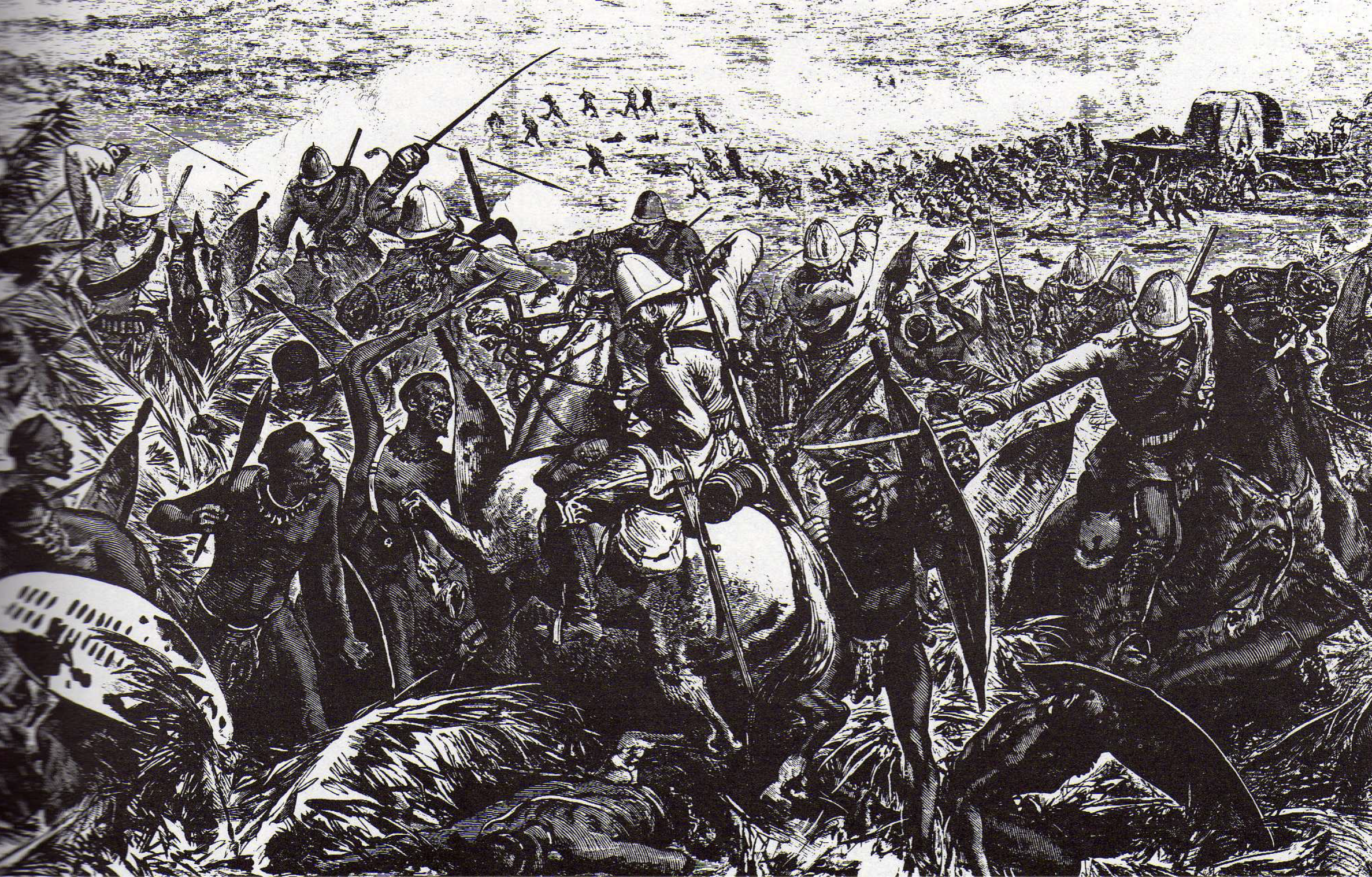
As the conflict unfolded, both sides faced challenges and hardships. The amaXhosa fought to defend their land and way of life, while settlers and British officials sought to assert control and protect their interests.
The War of the Axe/War of the Boundary as it came to be known, would have far-reaching consequences for the region, shaping its future and leaving a lasting impact on its people.
Join us next time as we continue to explore the history of South Africa and the events that shaped its past.

Leave a Reply