

The Prelude: A Divided Land and its Unsettled Peoples
In the mid-19th century, the southern tip of Africa was a land of fierce complexities, inhabited by a tapestry of communities each grappling for control, recognition, and survival. The signing of a treaty between Moshoeshoe, Adam Kok, and the Cape Governor marked a hopeful yet ambiguous attempt to formalize power over their territories. Yet, the reality on the ground was far from resolved. The BaTlokwa, Koranna, and Voortrekkers, among others, contested the authority granted by the treaty, leading to a period of heightened tensions and eventual conflict.

Trade flourished across the Orange River, linking the north with Cape towns like Beaufort West and Grahamstown. The Griqua, living in improved conditions, found themselves at the heart of these burgeoning trade routes. However, challenges like the absence of a bridge over the Orange River and the influx of Boers rejecting the treaty’s premises added layers of complexity to an already volatile situation.
The Griqua and the Boers: A Tense Alliance Frays
The arrest of a Boer by Adam Kok under the Cape of Good Hope Punishment Act was a spark in a powder keg. The Griqua’s ban on “Cape Smoke,” a type of brandy, further alienated the Boers, leading to a standoff at Philippolis. The ensuing negotiation, excluding Jan Mocke and other radicals, aimed to disarm the hostile Boers by threatening land loss. This meeting, though a temporary solution, hinted at the deeper divides and mistrust among the groups.
Sir Peregrine Maitland: A Governor’s Challenge
Sir Peregrine Maitland, stepping into a smoldering Transorangia, doubted the treaties’ effectiveness. His military background and experiences in Canada, Upper Canada, and Nova Scotia offered him a unique perspective on governance and conflict resolution. However, the escalating tensions between the Boers, Griqua, and the British posed a formidable challenge to his administration.
The Battle of Swartkoppies: A Turning Point

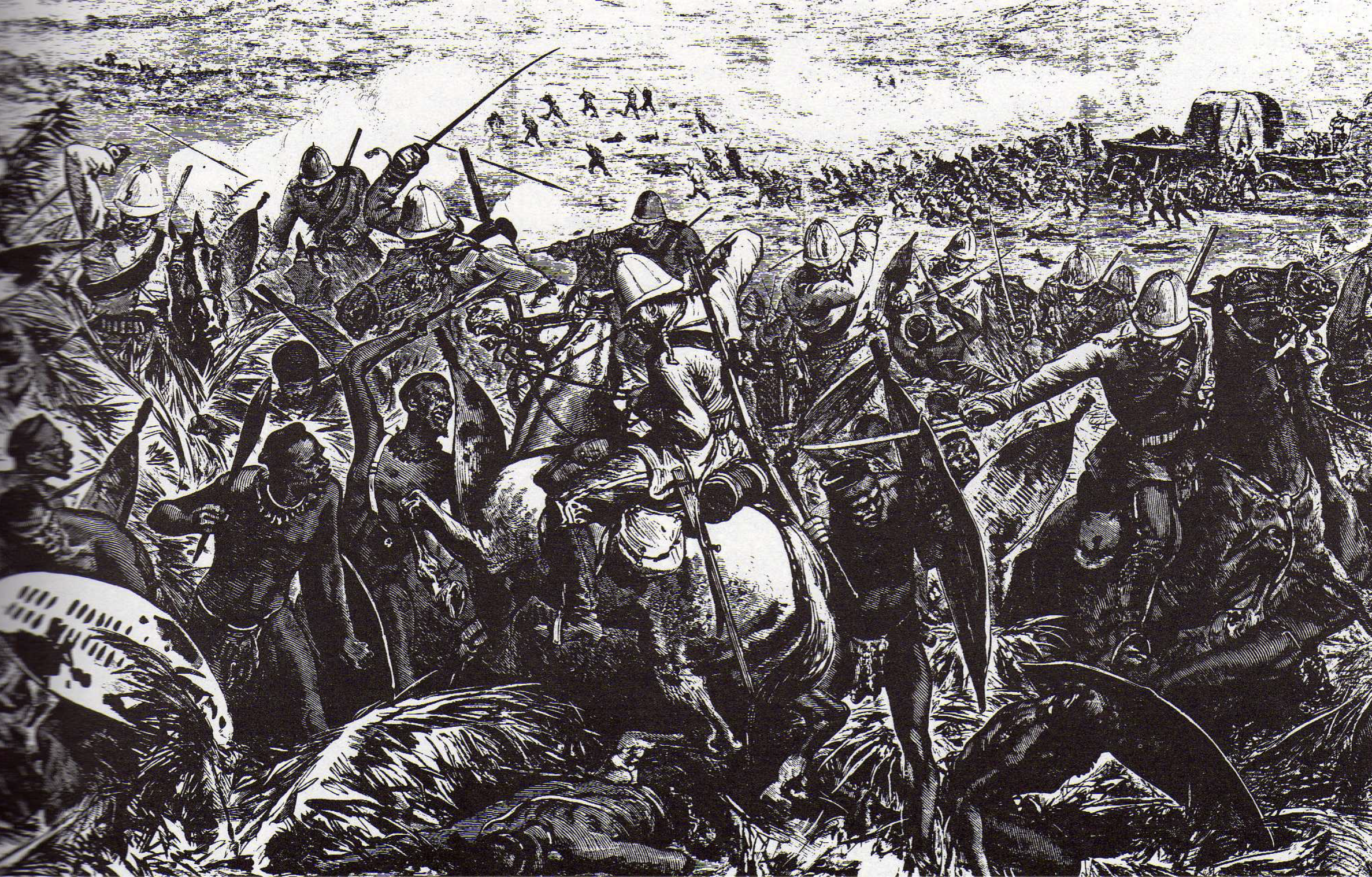
The confrontation at Swartkoppies in April 1845 marked a significant chapter in the region’s history. The British and Griqua forces, led by the formidable Fleetwood Rawstone and Major Campbell, faced a Boer commando under Jan Kock. The strategic and swift actions of the British cavalry prevented what could have been a bloody encounter, leading to a decisive but uneasy victory.
The Aftermath: A New Order Emerges

The battle’s aftermath saw Sir Peregrine Maitland advocating for a new approach to governance, inspired by his experiences abroad. He proposed treaties with principal chiefs to acknowledge their sovereignty and define clear boundaries, a move that aimed to balance control and coexistence among the diverse communities.
The agreements reached, while pragmatic, were not without their compromises and controversies. Moshoeshoe’s reluctant acceptance of shared land rights and Adam Kok’s concurrence highlighted the delicate balancing act required to maintain peace and order.
Bloemfontein: The Birth of an Administrative Center
The appointment of Henry Douglas Warden as the British resident in Bloemfontein signaled a new phase in the region’s governance. Bloemfontein was envisioned as a hub for dispute resolution and administration, a role it would grow into as the epicenter of the Free State.
The Legacy of Divide and Rule
The strategy of divide and rule, as recommended by Gideon Joubert, underscored the complex interplay of power, loyalty, and identity that would shape the region’s future. The division of authority among various chiefs, while preventing the consolidation of power under Moshoeshoe, laid the groundwork for enduring tensions and the eventual fragmentation of the landscape into distinct political entities.
Conclusion: The Unfolding Narrative of South Africa
The events leading up to and following the Battle of Swartkoppies are a testament to the intricate web of alliances, conflicts, and negotiations that have defined South African history. As we delve deeper into this narrative, we uncover the resilience, adaptability, and enduring spirit of its peoples, facing the headwinds of change and challenge with determination and hope.
The History of South Africa is a saga of human endeavor, struggle, and reconciliation. Each chapter, including the tumultuous era of the 1840s, contributes to our understanding of a land that continues to evolve, reflect, and aspire towards a unified identity amidst diversity.
This adaptation of Episode 162 of the History of South Africa podcast aims to capture the essence and complexities of a pivotal period in the region’s history. As we explore the battles, treaties, and personalities that have shaped South Africa, we gain insights into the forces that have molded a nation.

Leave a Reply