
This period, characterized by its vibrant landscapes, the burgeoning wool industry, and escalating tensions in the Eastern Cape, provides a fascinating glimpse into the era’s complexities.
Philippolis: A Forgotten Gem
Our journey begins in Philippolis, a town with a checkered past nestled in the Free State. Founded by the London Missionary Society in 1823 and named after Dr. John Philip, Philippolis stands as a testament to the intertwining of cultural and historical narratives, from its significance to the Griqua people under Adam Kok II to its notable residents like Laurens van Der Post and Adriaan Strauss.
The British Proclamation and Griqua Tensions
The proclamation of British territory beyond the Orange River in 1842 marked a pivotal moment, stirring discontent among the emigrant Boers and laying the groundwork for future conflicts. The intricate relationship between the Griqua, the Boers, and the British reveals a landscape rife with power struggles and shifting allegiances.

The Great Guano Discovery and Agricultural Revolution
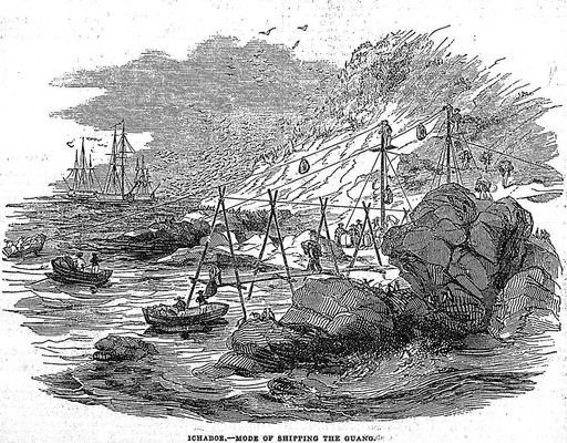
The discovery of guano on the islands off Namaqualand in 1843 sparked a rush that significantly impacted global agriculture and commerce. This “white gold” rush not only transformed the agricultural landscape but also highlighted the era’s entrepreneurial spirit and the global interconnectedness of commerce.

The Eastern Cape Wool Industry: A Beacon of Economic Hope
The introduction of Merino sheep to the Eastern Cape frontier ushered in a wool boom that redefined the region’s economy. This burgeoning industry not only challenged existing trade dynamics but also intensified the demand for land, setting the stage for increased tensions between settlers, indigenous peoples, and colonial authorities.
Rising Tensions and the Quest for Land
As settlers and investors eyed the fertile lands beyond the Fish and Keiskamma Rivers, the delicate balance between the Cape Colony and the amaXhosa-speaking peoples teetered on the brink of collapse. The pursuit of wealth, driven by the wool industry, threatened to ignite new conflicts in a region already marked by historical grievances and territorial disputes.
A Reflection on History’s Echoes
This episode not only narrates the events of the 1840s but also invites us to reflect on the enduring impact of these historical moments. From the geopolitical tensions stirred by land and resources to the technological and agricultural innovations that reshaped societies, the stories of Philippolis and the Eastern Cape are a reminder of history’s complex weave.
As we look forward to exploring Moshoeshoe’s kingdom and the brewing trouble in the Ceded Territory in upcoming episodes, let us appreciate the rich historical tapestry that continues to shape our understanding of South Africa’s past and its implications for the future.

Leave a Reply