
In the latest episode of “Plane Crash Diaries,” we delve into a series of historical aviation accidents that have significantly shaped the landscape of air travel safety. I share insights from my recent aviation journey, transitioning to a tailwheel rating, setting the stage for a broader discussion on how past tragedies have led to crucial advancements in aviation safety.
Early Days of Navigational Hazards
Our journey begins with the tragic tale of the 1933 Imperial Airways Ruysselede incident, where an Avro Ten collided with a radio mast in Belgium due to navigational errors, leading to the loss of all onboard. This event underscored the dire need for improved navigational aids and marked one of the first instances where aviation safety began to take precedence.

Moving across continents, the 1938 Kyeema crash in Australia highlighted the dangers of poor visibility and navigational confusion. The Douglas DC-2’s fatal encounter with Mount Dandenong resulted in the deaths of all passengers and crew, prompting a reevaluation of navigational aids and the implementation of the radio range system.

The Case of Pennsylvania Central Airlines Flight 410
In 1947, the crash of Pennsylvania Central Airlines Flight 410 against the Blue Ridge Mountains showcased the perils of inadequate minimum altitude regulations. This incident catalysed a significant rule change in the United States, introducing minimum en-route and approach altitudes for air carriers, a policy that would later be adopted worldwide.

Elizabeth, New Jersey: A Turning Point for Airport Safety
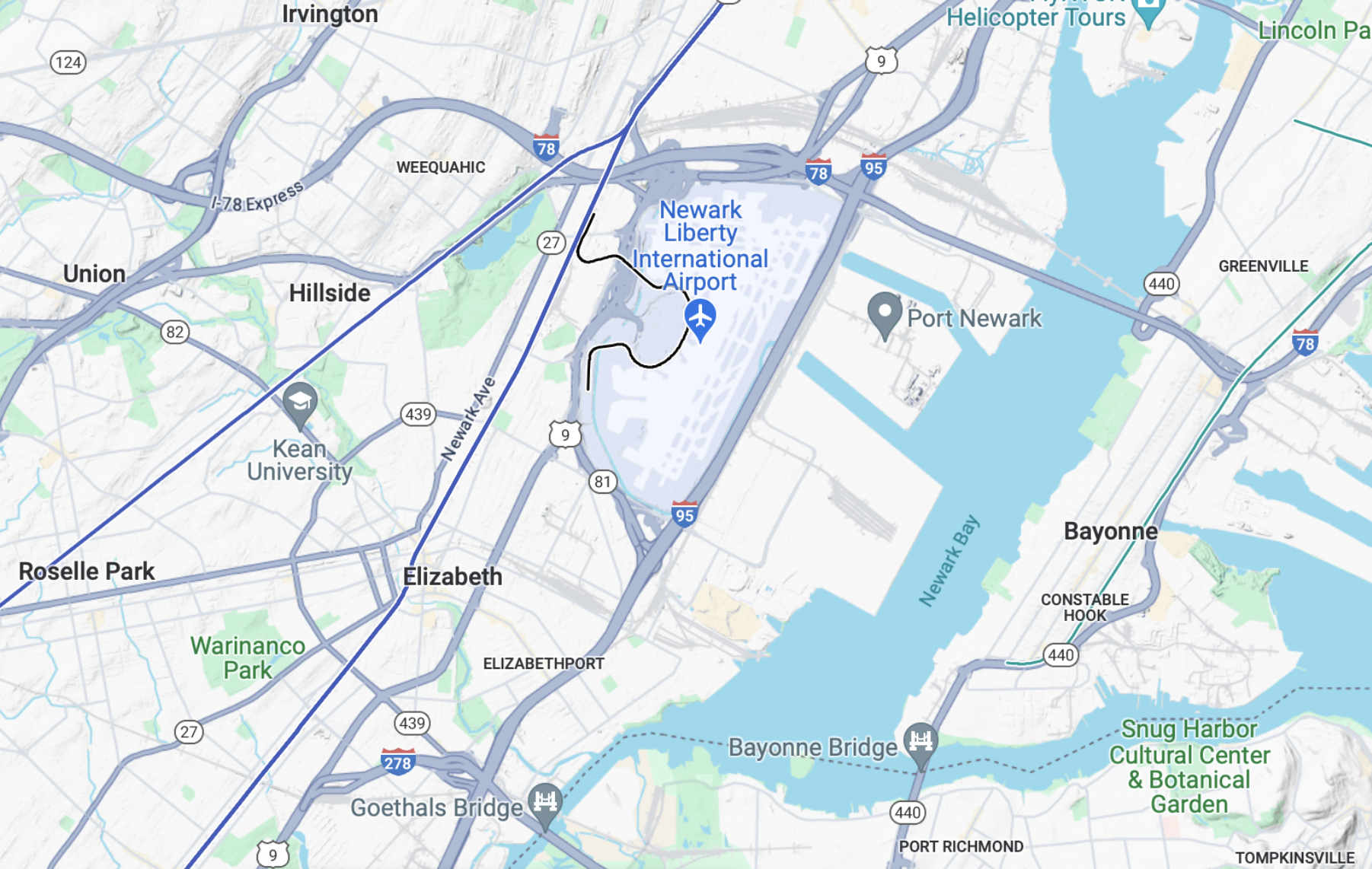
The narrative then shifts to Elizabeth, New Jersey, where a series of accidents near Newark International Airport in the early 1950s sparked a nationwide reevaluation of airport safety and zoning regulations. The crashes, including a Miami Airlines flight and an American Airlines Convair CV-240, not only resulted in numerous fatalities but also exposed the dangers of inadequate clear ways and the pressing need for re-zoning to ensure safer airport environments.

Doolittle’s Recommendations and Their Lasting Impact
The appointment of James Doolittle to lead a commission investigating these accidents brought forth a series of recommendations that have fundamentally altered aviation safety. Doolittle advocated for longer clear ways, stricter zoning laws, and the development of flight simulators, among other measures. These suggestions were not only revolutionary at the time but have continued to influence aviation safety standards globally.

Modern Aviation Safety and Beyond
As we reflect on these historical incidents and their contributions to the safety protocols we take for granted today, it’s clear that each tragedy has served as a catalyst for change, driving the aviation industry toward safer skies. The episode concludes with a look ahead to future topics, including the Saudia Airlines Flight 163 crash, which further underscores the importance of cockpit resource management and effective emergency response strategies.
In “Plane Crash Diaries,” I am not only narrating the tales of past aviation mishaps but also celebrating the progress and technological advancements that have emerged from these dark moments. As we continue to aviate, navigate, and communicate, we do so with a deeper appreciation for the lessons learned and the lives saved through the continuous evolution of aviation safety.


Leave a Reply