
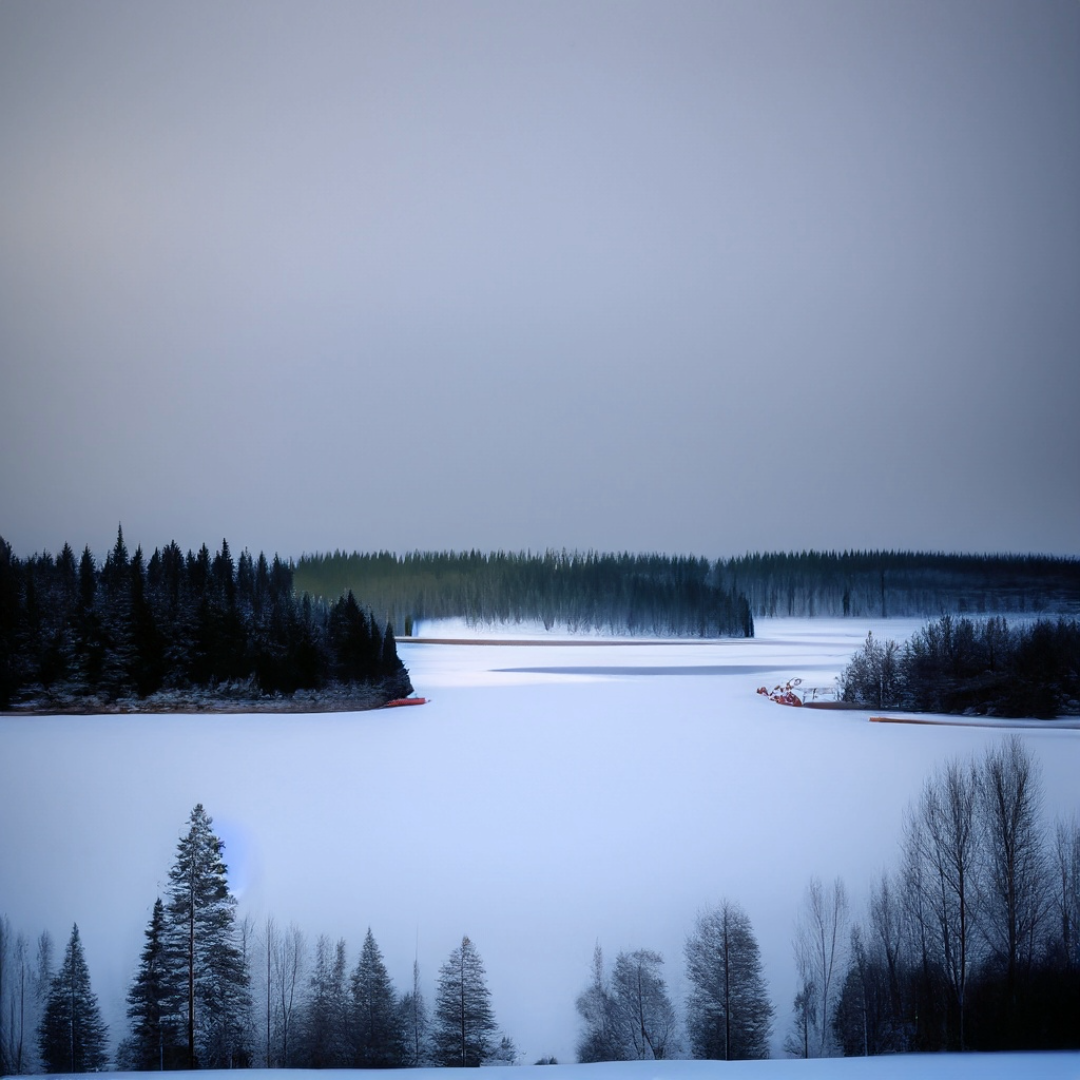
In the harsh winter of 1939-1940, the Winter War between Finland and the Soviet Union reached a pivotal moment that would go on to have profound implications for the course of World War II and the geopolitical landscape of Europe. The conflict, lasting a mere 105 days, showcased the remarkable resilience of the Finnish forces against the Soviet juggernaut and inadvertently influenced Nazi Germany’s strategic decisions leading to Operation Barbarossa.
The Soviet Strategy Overhaul
By February 1940, the Soviet military command, Stavka, under the leadership of newly appointed commanders, was ready to launch a renewed offensive against Finland. This change in leadership and tactics aimed to recover the Red Army’s lost initiative after a series of embarrassing defeats that had not only demoralised the Soviet forces but also emboldened German military planners.

General Semyon Timoshenko, spearheading the North Western Front, initiated a prolonged bombardment of Finnish positions, a strategy aimed at weakening Finnish resolve through sheer attrition. This approach echoed the brutal logic of World War I’s Battle of Verdun, intending to “bleed the Finns white.”
The Finnish Predicament
Under the command of Lieutenant General Hugo Osterman, the Finnish Army of the Isthmus braced for the impending Soviet assault. Despite their valiant efforts and strategic ingenuity, the Finnish forces faced overwhelming odds. The Finnish Air Force, limited in its capacity, struggled to counter the Soviet aerial superiority, which played a crucial role in the initial stages of the February offensive.
The village of Summa, a focal point of the Soviet offensive, witnessed unprecedented levels of artillery and aerial bombardment. The intensity of these attacks not only signified the desperation of the Soviet efforts but also highlighted the vulnerabilities of the Mannerheim Line, especially in terms of its fortifications’ resilience against such massive artillery power.

Soviet Command and the Cost of Aggression
While the Soviet strategy under Timoshenko showcased a ruthless efficiency, it also underscored a grim reality of warfare—the willingness to incur heavy casualties for tactical gains. This approach, while initially successful in breaching Finnish defenses, also led to staggering Soviet losses, both in manpower and materiel.
Diplomatic Maneuverings and Stalin’s Fears
Amidst the battlefield chaos, the political leadership in Finland, led by Foreign Minister Vaino Tanner, sought to initiate peace talks, understanding the unsustainable nature of the conflict against the Soviet behemoth. Stalin’s response to these overtures, though initially dismissive, eventually revealed a complex web of geopolitical fears and calculations. Concerns over potential Western intervention and the security of vital resources like oil from Baku played into the Soviet decision-making process, highlighting the intricate balance between military objectives and political survival.

The British intelligence’s subtle influence, through a whispering campaign, exacerbated Stalin’s paranoia, leading to a reassessment of the strategic importance of Finland in the face of perceived Western threats. This shift in Soviet priorities eventually paved the way for negotiations, albeit under terms that were less than favorable for the Finns.
Conclusion
As the Winter War approached its climax, the events of February 1940 embodied the brutal reality of modern warfare, where strategic ingenuity, political foresight, and the raw will to resist against overwhelming odds defined the Finnish struggle. The Soviet Union’s eventual pivot towards a diplomatic resolution underscored the broader implications of the conflict, influencing not only the immediate tactical outcomes but also shaping the strategic landscape of Europe as World War II unfolded.
The Winter War, though a brief chapter in the annals of military history, remains a testament to the resilience of the Finnish people and a cautionary tale of the complexities and unforeseen consequences of geopolitical ambitions.

Leave a Reply