
Welcome back to another exciting episode of “The Winter War” podcast, where we delve into the historic events of the Russian invasion of Finland in 1939-40. In Episode 8, titled “The Red Air Force Flops but Gusevski Proves a Worthy Opponent,” we explore the fascinating aspects of the air war during this conflict, including the types of planes used by both the Finns and the Russians.
The Historical Background
Before we dive into the aerial aspects of the Winter War, it’s crucial to understand the historical context. Finland, a nation with a turbulent past, had repeatedly faced invasions from various powers, including Sweden, Napoleon’s France, and Russia. The Finnish Civil War, which occurred shortly after World War I, saw external support for both sides, with the left backed by the Russians and the right by the Germans.
Despite their yearning for democracy, the threat from Russia loomed large in the minds of the Finnish people between the two world wars. When the Russian invasion abruptly began in November 1939, the Finns transitioned from vacillation to vehement nationalism. The invasion was an unprovoked attack on a small nation, causing outrage among the Finnish populace. This conflict was about national existence, life, and death, not merely minor border adjustments or distant islands.
Understanding this historical background is crucial because it sheds light on the catastrophic consequences of the Soviet decision to invade Finland in 1939, especially in the context of current tensions between Finland, Sweden, and Russia.
The Stalemate in Northern Finland
As of mid-January 1940, the Red Army’s advance in northern Finland had come to a halt due to severe weather conditions. Blizzards and frigid temperatures, averaging -35°C, had rendered the region nearly impassable. Over 10,000 Russian troops were stranded along the Arctic road from Petsamo to the Norwegian border, blocked by approximately 2,000 Finnish troops.
However, further south, Russian General Gusevski, commanding the 54th Division, was adapting to the harsh terrain. His troops were trained in skiing and wilderness survival, and their morale remained high. Gusevski’s strategic maneuvers threatened Finnish plans, prompting Finnish Commander Siilasvuo to move his 9th Division south to counter the Russian advance.
By January 18, 1940, Siilasvuo had positioned two battalions at Nurmes, directly south of Kuhmo, effectively cutting off Gusevski’s supply routes. This marked a crucial turning point in the conflict, as Gusevski was now forced to play a longer, defensive game.
The Battle in Suomussalmi
Gusevski began fortifying his positions, constructing bunkers and deploying artillery and mortars. To maintain his supply lines, he utilized a frozen lake as an aerodrome for light aircraft, allowing the Red Air Force to conduct supply flights, escorted by fighter aircraft.
A cat-and-mouse game unfolded, with the Finns intercepting Russian codes and occasionally receiving supplies meant for the Russians. However, the Russians adapted, using bombers for supply runs, resulting in casualties among the Finnish forces. Siilasvuo urgently requested anti-aircraft Bofors guns, which arrived and began to take a toll on Russian transports.
As the battle raged on, the Finnish forces successfully cut off the 54th Division’s logistics route. Still, they struggled to breach the well-fortified Russian positions, leading to a protracted conflict. With the frozen lake aerodrome, the Red Air Force continued to supply their units via night flights, sustaining the battle into March.
Russian Reinforcements and Finnish Aerial Tactics
News of the Soviet defeats at Suomussalmi and along the Raate road led the Russian 9th Army commanders to exercise caution. They reinforced their northern sector with the 88th Rifle Division from Archangel, though this unit arrived after hostilities had ceased.
The Finnish Air Force, despite its limited resources and outdated planes, punched above its weight in the Winter War. They adopted the finger-four formation, allowing for greater situational awareness and flexibility in combat. This innovative tactic gave them a significant advantage over the Russian Red Air Force, which adhered to the less effective Vic formation.
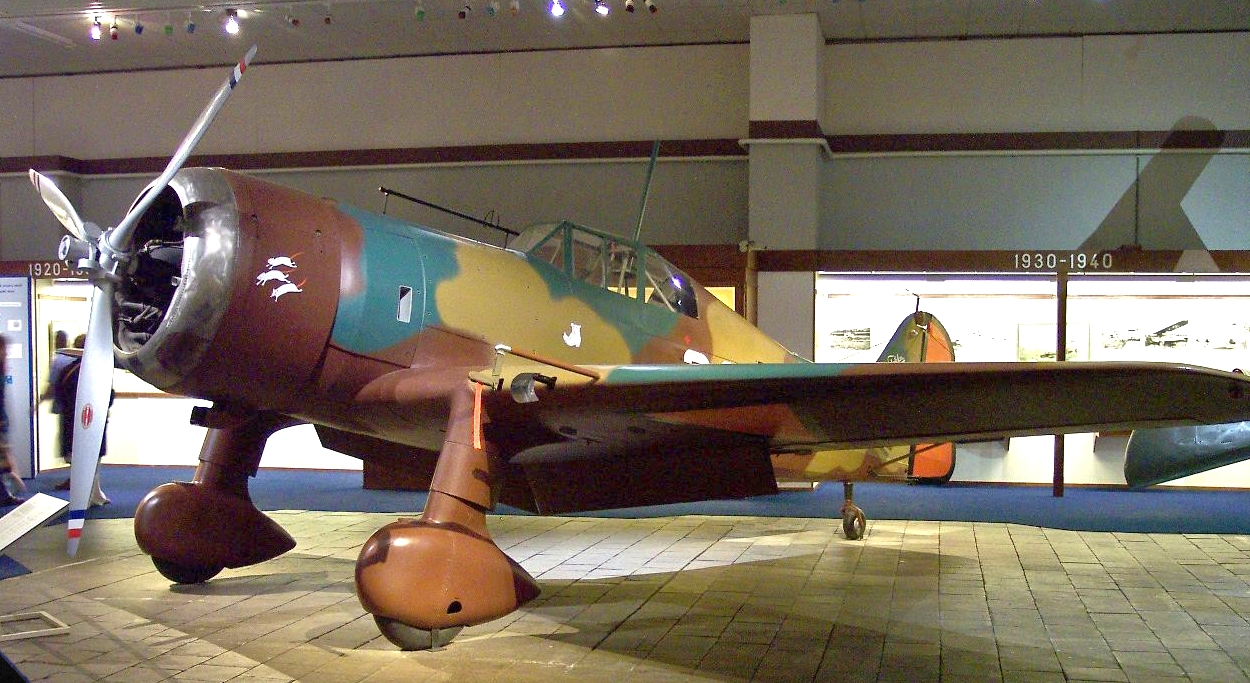
The Finnish Air Force’s primary fighter, the Fokker D.XXI, and the Bristol Blenheim bombers were outdated compared to their Russian counterparts. However, they compensated for their inferior equipment with aggressive tactics and superior aerial formation.
The Aerial Conflict
The aerial conflict in the Winter War featured various aircraft on both sides. The Finnish Air Force had Bristol Blenheim bombers and Fokker D.XXI fighters, while the Soviet Union deployed Tupolev SB-2 and Ilyushin DB-3 bombers and Polikarpov I-16 fighters.

One remarkable moment in the aerial war came when Finnish ace Lieutenant Sarvanto single-handedly took on a formation of SB-2 bombers, shooting down half a dozen in just four minutes. By the war’s end, Finnish pilots had downed 240 Red Air Force planes.
In addition to the Finnish pilots, Finnish anti-aircraft gunners played a significant role in defending their airspace, shooting down approximately 440 Red Air Force planes.
The Failed Russian Bombing Campaign
Despite their numerical advantage, the Red Air Force’s bombing campaign proved largely ineffective. Russian attempts to destroy Finnish infrastructure, particularly railway lines, failed as the Finns quickly repaired the damage. Russian incendiary bombs targeted civilian areas, further antagonizing the Finnish population. The indiscriminate attacks became a propaganda disaster for the Russians, drawing international condemnation.
Conclusion and What’s Next
As we conclude this blog post, we’ve explored the crucial role of the air war during the Winter War. Despite facing technological inferiority, the Finnish Air Force’s innovative tactics and determination allowed them to hold their own against the Soviet Red Air Force.
In the next episode, we will delve into the events of the third week of January 1940, as the situation on the ground begins to evolve, and the Russians mobilize reinforcements. The frozen conflict cannot last forever, and Finland’s courageous struggle has left an indelible mark on history.

Leave a Reply