
Episode 152 of the History of South Africa podcast
Welcome to our exploration of a lesser-known chapter in South African history. In Episode 152 of our podcast, we delve into the saga of the AmaTola San raiders, their unique culture, and the intricate tapestry of history they weave in the Drakensberg mountains. This episode uncovers the fascinating interplay of cultures, the advent of horseback raiding, and the deep spiritual connection to the land and its creatures.

The Emergence of the AmaTola Raiders
By the 1830s, the Drakensberg region witnessed the rise of a diverse group of frontier raiders, often simplified as ‘Bushmen.’ These groups were an amalgam of various ethnicities, including freed slaves, Khoesan, San, and deserters from European armies. Their emergence was fueled by the introduction of horses, firearms, and a pressing need for identity amidst tumultuous changes.
American Frontier Parallel
Drawing a parallel with the American Frontier, we find similarities in the formation of raiding groups like the Jumanos and Lakota. Both frontiers saw individuals from varied backgrounds coming together, often on horseback, to raid and trade in a tumultuous and changing world.
The Geography of Conflict and Culture
The AmaTola San raiders dominated the area between the Mzimvubu and Tina Rivers, a region renowned for its rugged beauty and strategic importance. Their territory stretched from Giants Castle to Mount Fletcher, overseeing a landscape that was both a sanctuary and a battleground. The geography played a crucial role, offering both protection and challenges to the raiders and their neighbors.
The Raiders’ Mixed Material Culture
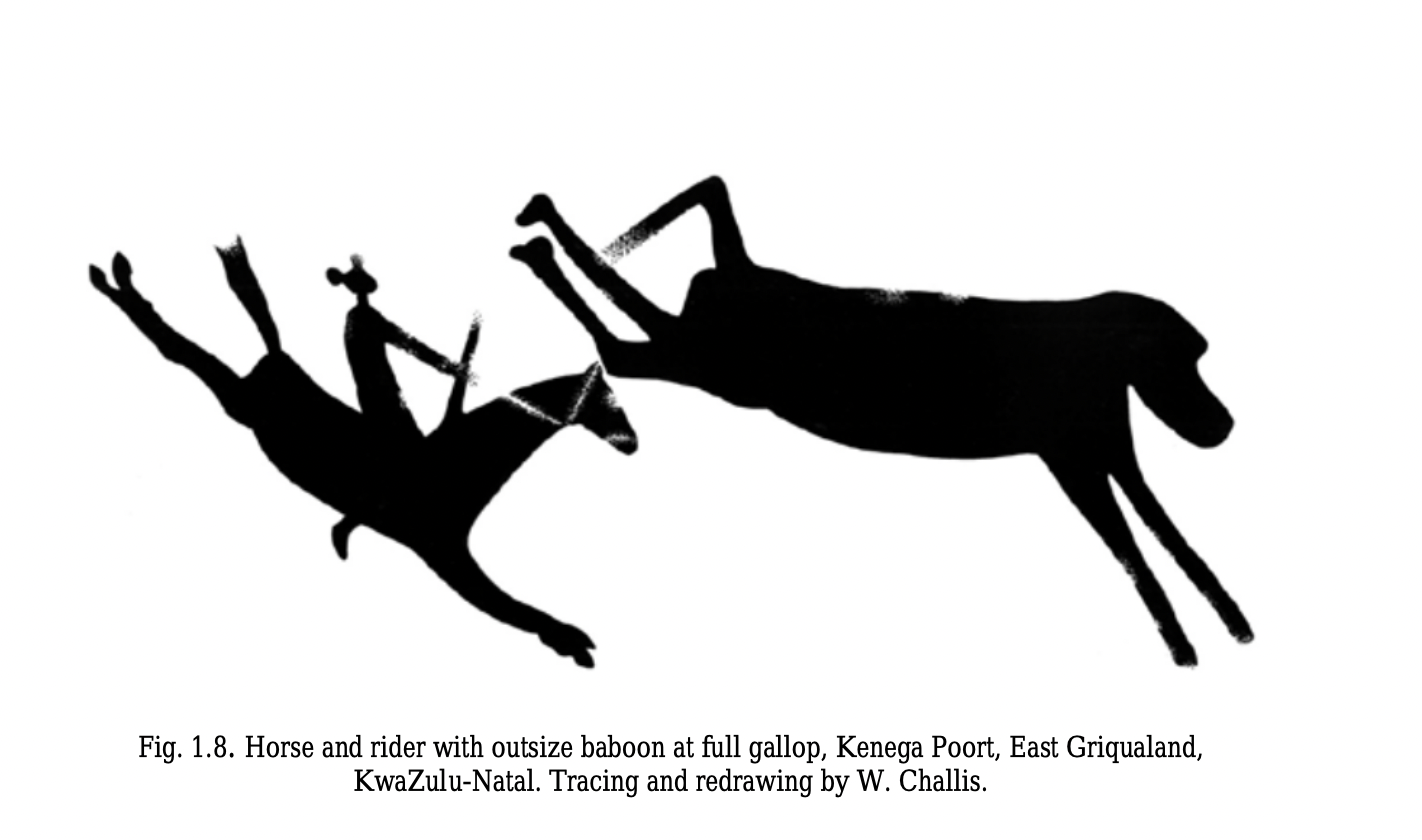
San rock paintings from this era reveal a fascinating blend of cultural elements. Images depict not only the San but also people of diverse backgrounds working together, armed with firearms, riding horses, and engaging in traditional trance dances. These paintings offer a window into a period of significant cultural and technological transition.
Raiding Tactics and Alliances
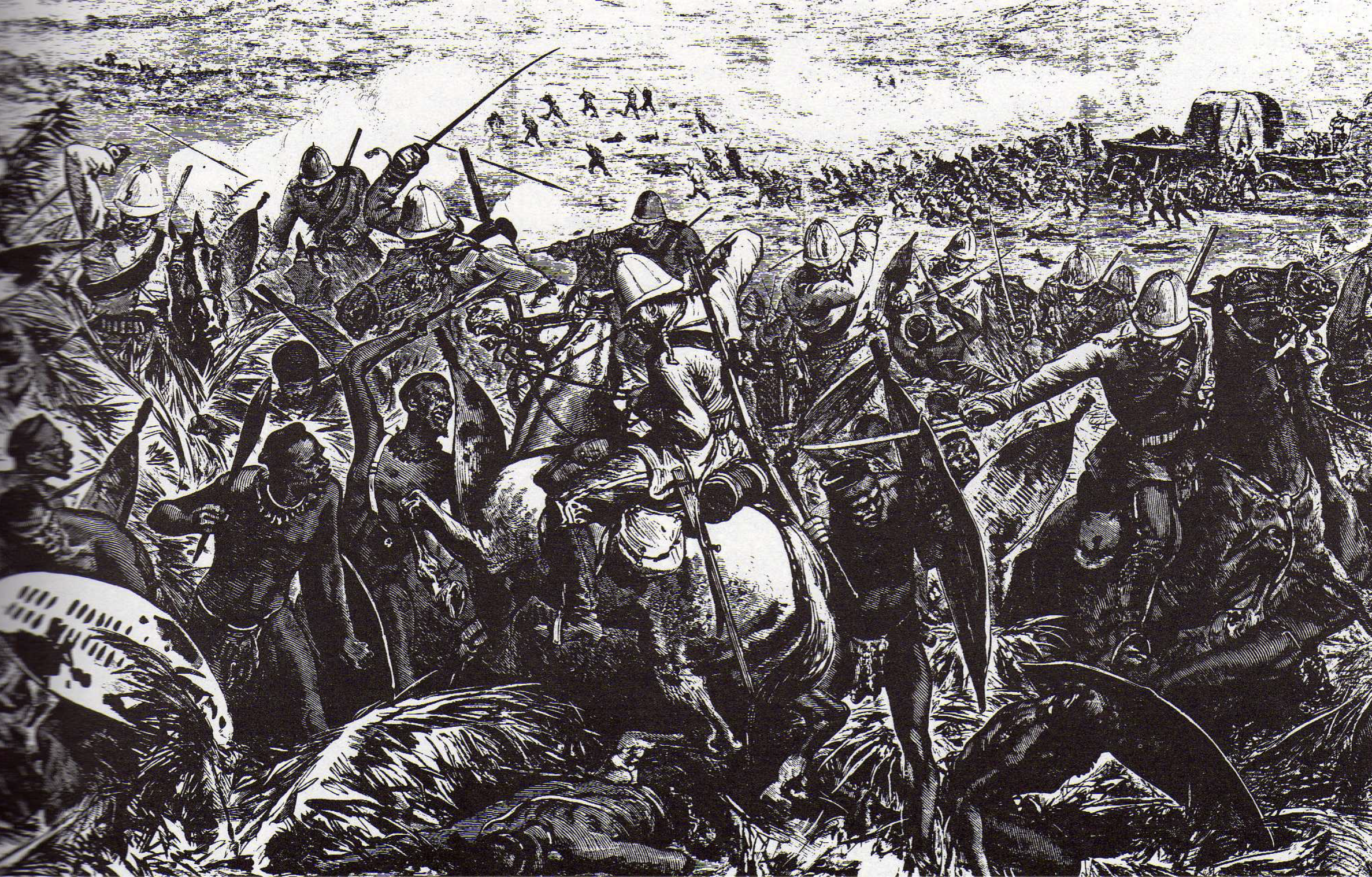
The AmaTola raiders were known for their strategic raiding tactics and alliances. Their targets varied from Voortrekker settlements to neighboring African communities. The spoils of their raids were traded through a complex network, underscoring the economic and social intricacies of the time.
The Power of Medicinal Plants
Central to the AmaTola raiders’ way of life was their profound knowledge and use of medicinal plants, a practice deeply rooted in their spiritual and cultural traditions. They believed certain flora possessed supernatural powers that could protect, heal, and grant them advantages in battle. The San, in particular, were known for their extensive use of a variety of plants for both everyday ailments and ritualistic purposes.
One such plant was the Boophone, known as the Bushman Poison Bulb. Highly toxic, this plant was used with great care and respect by the San, often in hunting as poison for arrows. However, its use extended beyond the practical; it held a significant place in their spiritual world, believed to aid in communication with ancestors and the spirit realm.
The raiders’ knowledge of these plants was not just a matter of survival; it was a key element of their identity and cohesion as a group. The shared understanding and use of these powerful natural resources bound the group together, reinforcing their connection to the land and each other.
Ethnogenesis: The Blending of Cultures
The story of the AmaTola raiders is a testament to ethnogenesis, the process by which distinct cultural groups merge to form a new identity. This phenomenon was not unique to South Africa, as similar patterns emerged in other colonial frontiers. The AmaTola’s identity was shaped by a blend of San traditions, European technology, and the shared experience of marginalization and resistance.
The Lasting Legacy of the AmaTola Raiders
The legacy of the AmaTola San raiders is imprinted not only in the physical landscape of the Drakensberg but also in the cultural and spiritual heritage of South Africa. Their story is a poignant reminder of the complex histories that shape nations and the enduring spirit of resilience and adaptation.
As we conclude this journey into the past, we’re reminded of the rich tapestry of human experience that shapes our understanding of history. The AmaTola San raiders, with their unique blend of cultures, traditions, and innovations, offer a fascinating glimpse into a world where survival, identity, and spirituality intersected in the rugged terrain of the Drakensberg.
We will return to this fascinating subject in future episodes.
Link to the latest episode 152 on iTunes and Spotify
https://podcasts.apple.com/za/podcast/history-of-south-africa-podcast/id1553731049?i=1000640788653


Leave a Reply