
In this episode, we delve into the pivotal moments following the historic Battle of Blood River. The battle, a crucial event in South African history, saw Andries Pretorius leading the Voortrekkers to a significant victory over Dingana’s Zulu army.
Pretorius’ Strategic Moves
The day after their victory on December 17, 1838, Pretorius sent a clear message to Dingana. He dispatched two Zulu captives with a piece of white calico, bearing his name, to the Zulu king. This gesture was a call for Dingana to negotiate peace, marking a turning point in the conflict.
The Zulu Retreat and Dingana’s Dilemma
Dingana’s general, Ndlela kaSompisi, reacted swiftly, sending messengers to warn the king of the advancing Voortrekkers. With his army in disarray, Dingana faced a dire situation. Advised to evacuate his stronghold, emGungundlovu, he hastily relocated to emVokweni, a strategic position offering potential escape routes.
The Fall of emGungundlovu
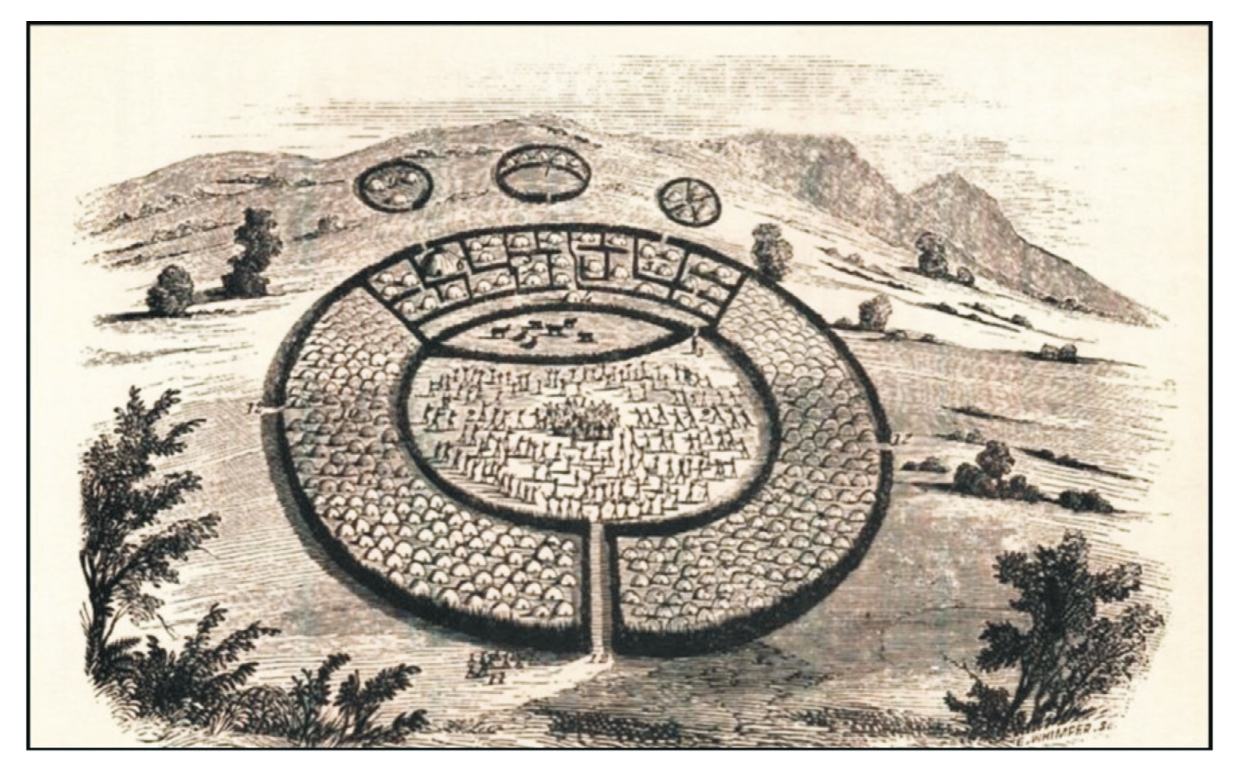
By December 18, the Zulu king had fled his beloved capital. His departure was hastened by reports of the Boers’ approach. In a drastic measure, Dingana ordered emGungundlovu and nearby settlements to be burnt to the ground, a decision fueled by fear of capture and retribution for his previous actions against the Boer families and leaders like Piet Retief.

The Trekker’s Arrival and Discovery
Upon reaching the smoldering remains of emGungundlovu, the trekkers were greeted by a ghostly silence. They cautiously advanced, unaware of the grim discoveries awaiting them. On December 20, they found the charred ruins of Dingana’s once-great settlement.
Their exploration led them to the scattered remains of Retief and his party at KwaMatiwane. Among the poignant finds was Retief’s leather briefcase containing the controversial treaty ceding Natal to the trekkers. This document, while historically significant, underscored Dingana’s deceit and the futility of the agreement.
A Solemn End and a Devious Plan
The trekkers spent days collecting and burying the remains of their fallen comrades, including those of Khoekhoe and Khoesan allies, in a mass grave at KwaMatiwane. Meanwhile, an auction of looted items from emGungundlovu took place, symbolizing a hollow victory amidst the tragedy.
The e discovery of a decoy near the Voortrekker camp. Bongoza kaMefu, a man with intricate knowledge of the settlers and the trekkers, was part of a cunning plan by Dingana to ambush the Boers. This episode of deception and strategy highlights the complexity and depth of this historical period.
Following his discovery in a bush near their encampment, the trekkers roughly interrogated Bhongoza. The details of this interrogation are not explicit, but it likely involved physical violence. During the interrogation, Bhongoza hastily concocted a story, claiming that Dingane’s army was in disarray, the king had fled to the region around Delagoa Bay in the Gaza kingdom, and his cattle herd was abandoned in the White Mfolozi valley.
This narrative was somewhat credible to some trekkers due to past amaZulu amabutho assaults in the area. However, many doubted Dingane would flee so far north without his cattle, though possibly without his iziGodlo (women). Several of Pretorius’ advisors were skeptical, believing Dingane wouldn’t abandon his valuable cattle herd, likening it to Superman losing strength from kryptonite. They suggested executing Bhongoza, dismissing his story as fanciful.
Despite the skepticism, most trekkers believed Bhongoza’s tale. Pretorius decided to spare Bhongoza, on condition he guided them to the hidden cattle.
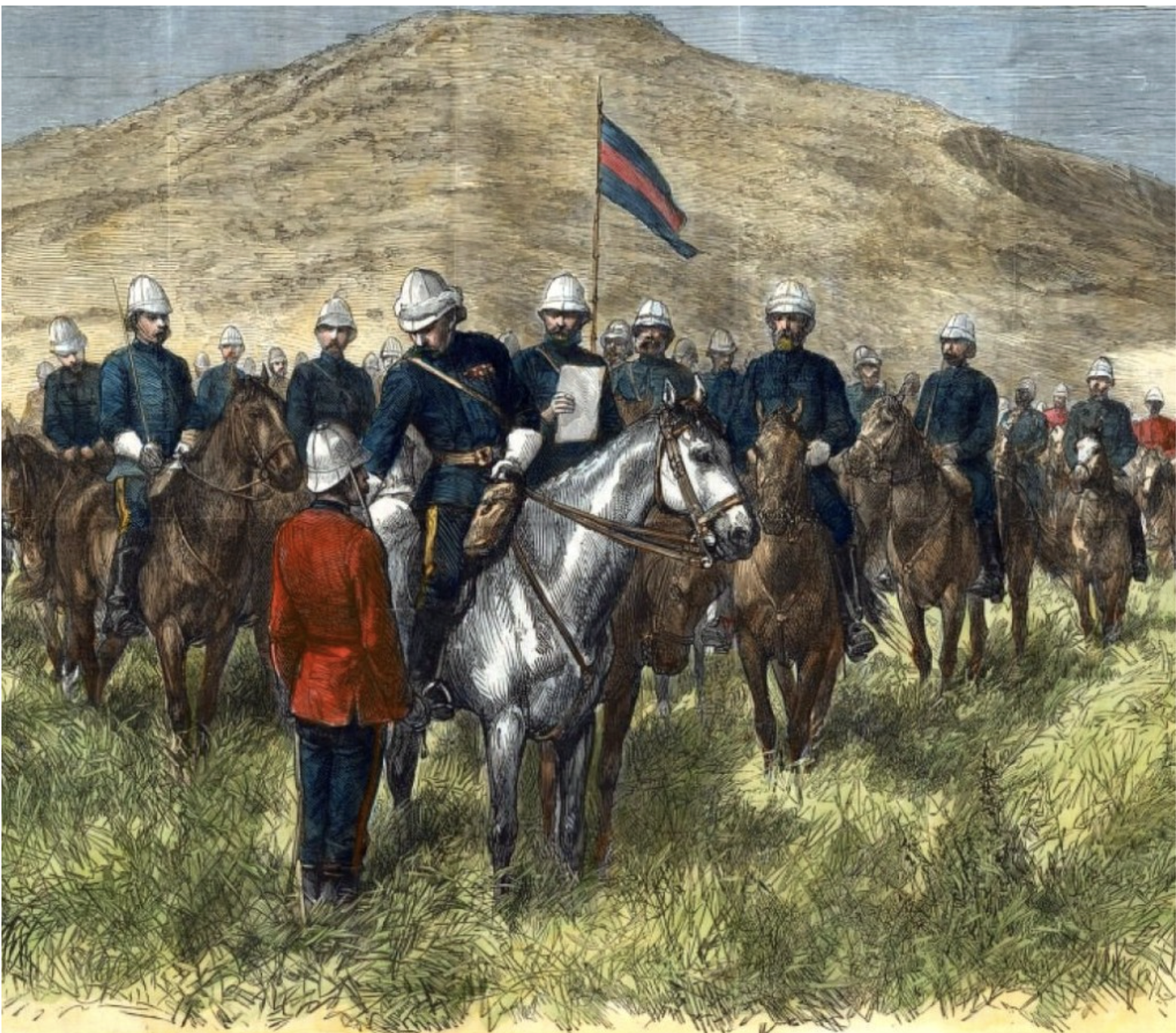
On Boxing Day, 26th December 1838, amidst stormy weather, Pretorius planned to move east towards Mthonjaneni mountain, overlooking the White Mfolozi River valley. The area, near present-day Melmoth, offers striking views from the misty, cool plateau down to the hot, humid plains.
Shortly before the new year, on 27th December, Bhongoza, with a rope around his neck, was mounted on a horse. The group of 300 mounted Boers, led by Karel Landman and including Hans Dons de Lange, a notable character of the 1830s known for independent thinking and lateral solutions, set out for the Mfolozi plains. Hans Dons de Lange and Bhongoza, though from different cultures, shared similar traits of situational awareness and adaptability, shaped by their times.
Bhongoza’s initial capture involved a harsh interrogation, likely involving physical beating, which he endured as a resilient Zulu warrior. He eventually revealed that Dingane’s army was supposedly weakened and no longer a threat, with Dingane having fled north. He also claimed Dingane left his valuable cattle herd in the White Mfolozi valley, hoping the Boers would be content with capturing them.
In reality, Dingane’s army, while reduced, remained operational and numbered around 5,000, unbeknownst to the Wenkommando. Bhongoza’s assertions, under the circumstances, appeared believable.:
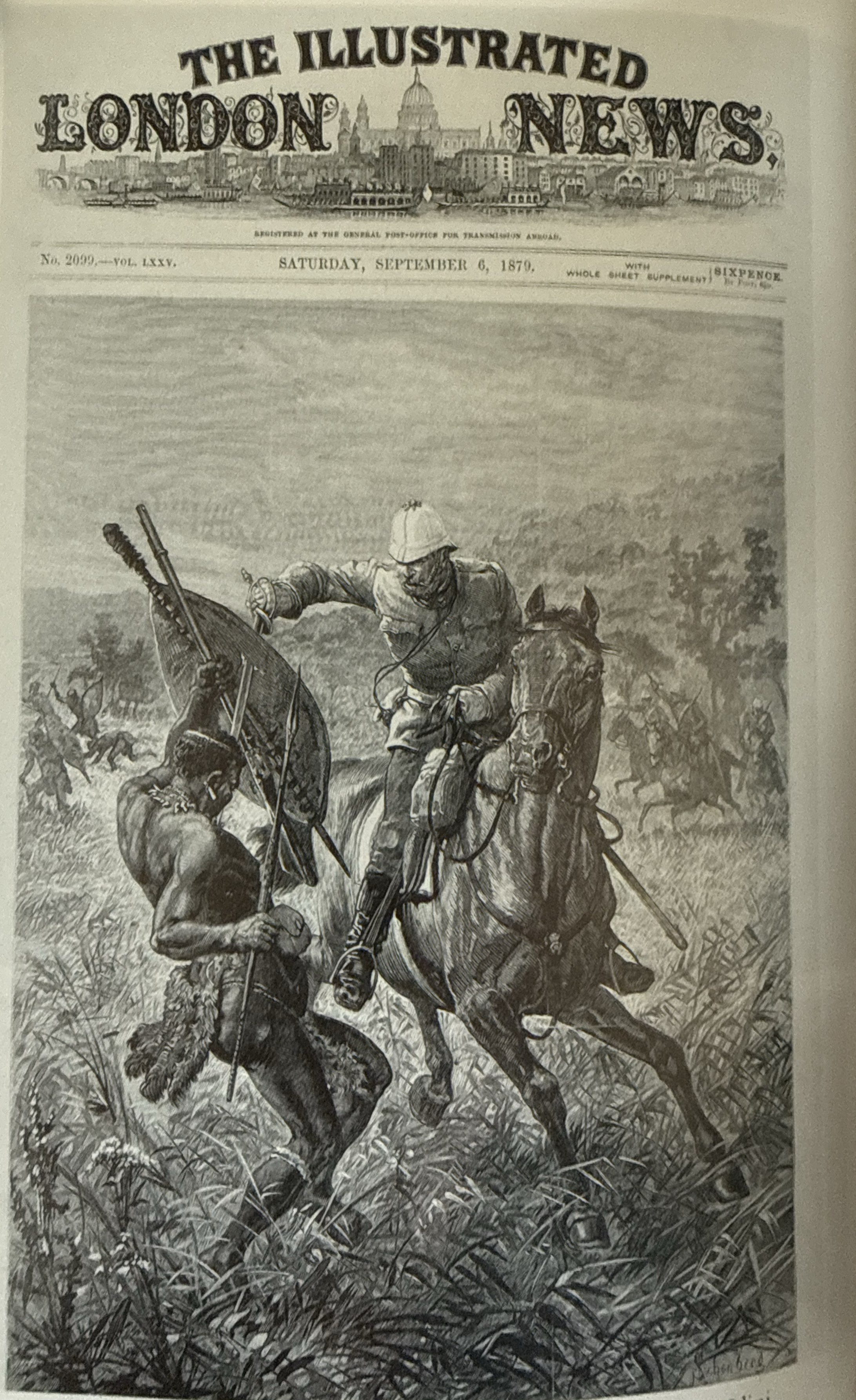
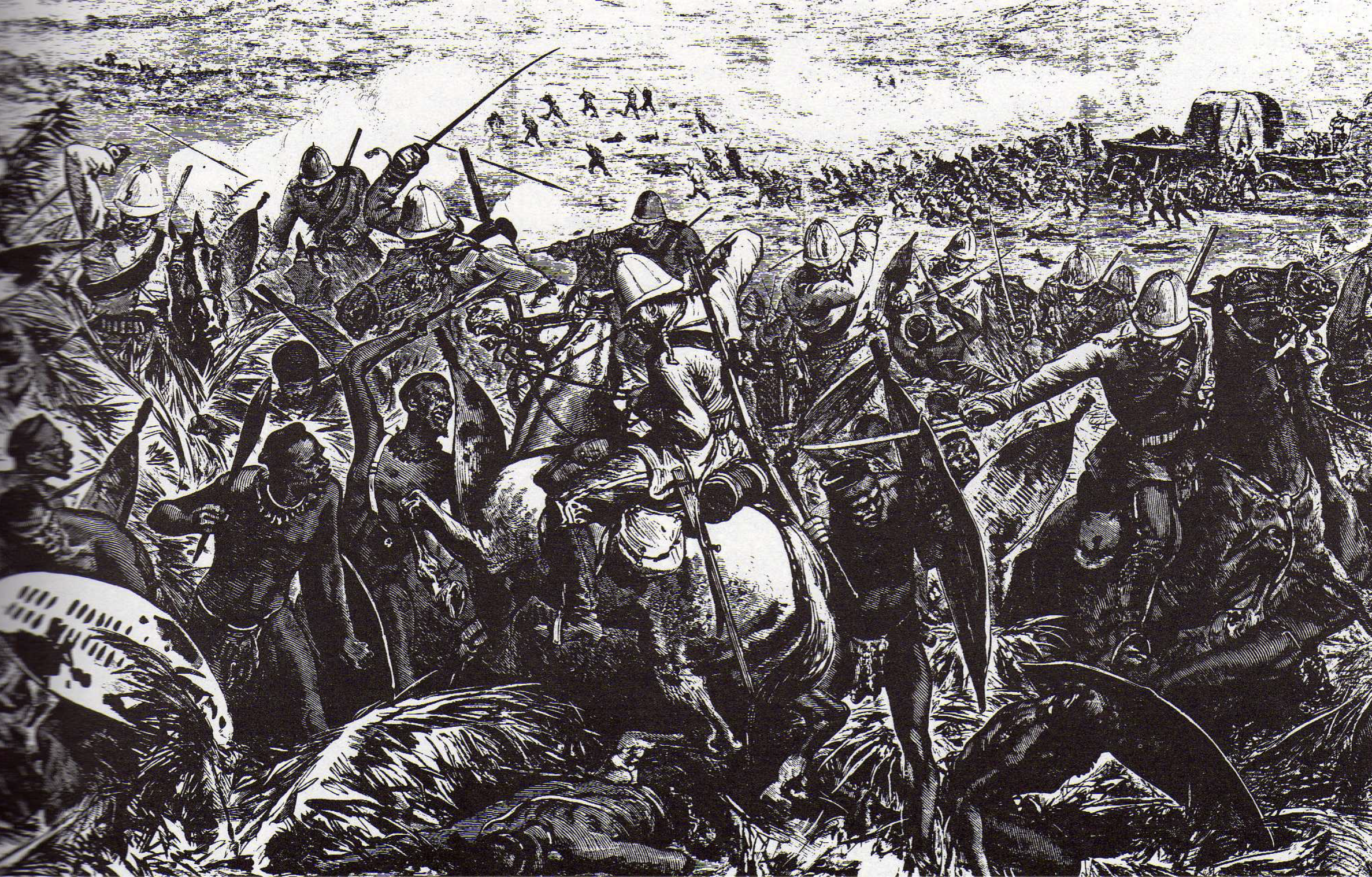
The Wenkommando riders, upon peering down into a valley, mistakenly identified Zulu warriors as cattle due to their clever disguise with shields. This misjudgment led them into a trap, as they descended into the valley through a narrow gorge, unaware of the danger lurking in the mimicking landscape.
As the narrative unfolds, we witness a series of strategic moves and countermoves. The Zulu warriors, under the command of Dingana, utilized the element of surprise to their advantage. In contrast, the Boers, led by Landman and Hans Dons, had to quickly adapt to the unfolding chaos. The moment of realization, where the landscape itself seemed to transform into Zulu warriors, marks a pivotal point in this encounter.
The story takes a turn when the Wenkommando, realizing their predicament, opts for a daring escape rather than a direct confrontation. This decision highlights the importance of adaptability and quick thinking in survival situations. The escape through the rocky terrain and the eventual fording of the White Mfolozi river adds a layer of dramatic intensity to the narrative.
Analysis:
This historical encounter is a testament to the complex nature of warfare. It underscores how perception, environment, and leadership play crucial roles in the outcome of battles. The Wenkommando’s initial misjudgment and subsequent strategic withdrawal exemplify the thin line between victory and defeat.
Conclusion:
The Wenkommando encounter with the Zulu warriors is more than just a story of conflict; it’s a narrative that teaches valuable lessons about strategy, leadership, and the unpredictable nature of war. As we reflect on this episode, it serves as a reminder of the bravery and resilience shown by those who lived through these challenging times.

Leave a Reply