
In episode 186 of the History of South Africa podcast, we dive deep into the intertwining of theology, superstition, and history. Our journey takes us through a landscape where bullets turn to water, traditional methods attempt to deflect projectiles, and charismatic leaders weave together Christianity and ancient mysticism to confront colonialism.
Before we proceed, a quick note of thanks to John for sharing his thoughts on ecclesiastical matters and to Mphuthumi for your message about Nkosi Maqoma. I’m eager to read your book, The Broken River Tent (2017).
The Mystery of Bulletproofing and Millenarian Movements
This episode explores the fascinating belief systems that emerged, particularly during uprisings against colonial powers. These movements, often termed “millenarian,” were sparked by prophets like Mlanjeni, whose teachings motivated many to resist colonial invaders.
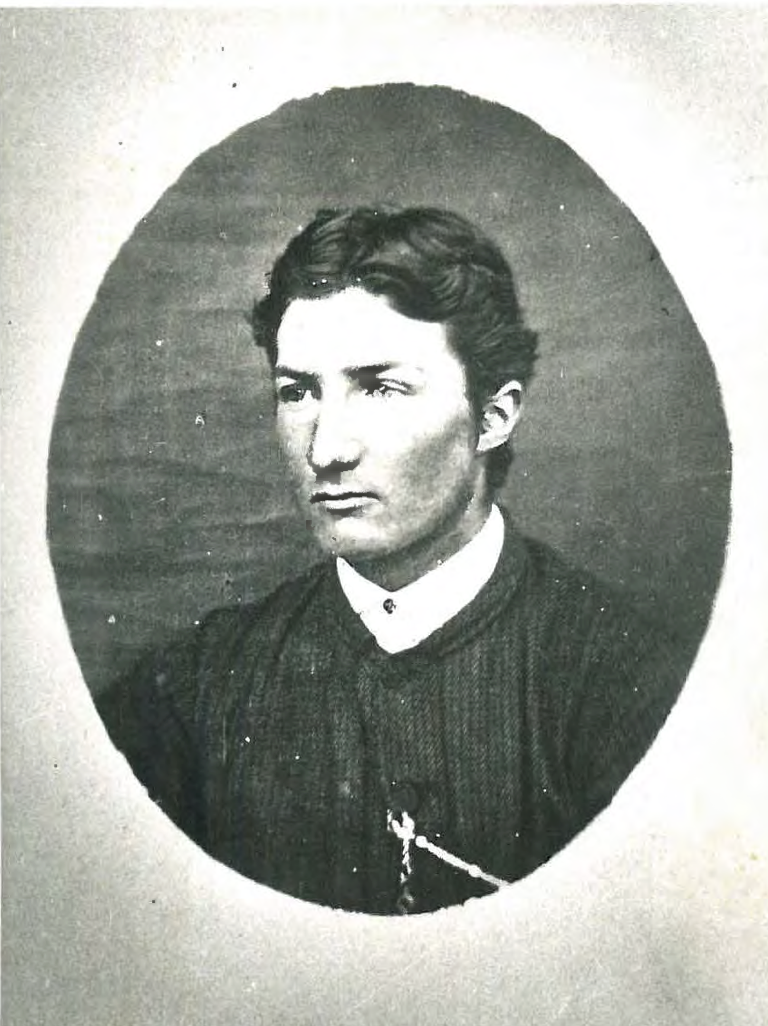
By the mid-19th century, figures such as Mlanjeni blended Christianity with animist traditions, offering a way for people to cope with the military might of colonial forces. Chiefs like Maqoma and Sandile saw the power of Mlanjeni’s influence and were drawn to his message.

The key question was: how could traditional weapons like assegais ever hope to compete with cannons and muskets? The answer, for many, was found in enchantment, magic, and mysticism. Mlanjeni’s message combined Christian salvation with traditional beliefs, creating a potent doctrine that resonated deeply with his followers.

The Intersection of Christianity and Animism
Missionaries in southern Africa had introduced Christian teachings, which were closely linked to Western civilisation and industrial power. Prophets like Mlanjeni, however, adapted these narratives, incorporating elements of their traditional belief systems. They co-opted the Christian promise of salvation and blended it with older, local myths to form a new and powerful theology.
One significant concept was the use of traditional medicines, or muthi, which were believed to confer invulnerability in battle. Similar beliefs can be found across many parts of the world, from southern Africa to India, and even among Native American communities.
War Medicine: A Widespread Belief
The idea of using war medicine to protect against bullets was pervasive. In southern Africa, many groups had their own versions of these rituals. The amaXhosa had inthelezi, used in stick fighting and battle, while the Sotho had Mohlabelo, and the Bhaca burned intsizi to protect warriors. These medicinal roots and herbs, including the Plumbago and Pelargonium, were worn around the neck, and their use was widespread.
Mlanjeni, often referred to as a wizard by British chroniclers like Thomas Baines, used such medicines, claiming they could turn bullets into water. This belief in bulletproofing was not unique to the amaXhosa; it appeared globally, from West Africa to New Zealand, and played a crucial role in resistance movements worldwide.
Cognate Epistemology: A Shared Knowledge System
The term Cognate Epistemology refers to the interconnectedness of knowledge systems, where different cultures share similar concepts and beliefs. In southern Africa, this was evident in the blending of traditional beliefs and Christianity.
The basic idea behind these war medicines was that they could protect warriors from projectiles. If a warrior was hit by a musket ball, the failure was attributed to incorrect application of the medicine, rather than the medicine itself—a form of victim-blaming, if you will.
This connects to modern times as well. In today’s world, misinformation spreads rapidly through platforms like X (formerly Twitter) and WhatsApp, with influencers often playing a role similar to those who propagated cognate knowledge in the past. One might even say that the power of influencers is a modern form of cognate epistemology, as they draw on shared cultural knowledge to shape perceptions.
The Battle of Alice and Fort Hare
Returning to 1851, let’s examine one of the pivotal moments of the 8th Frontier War: the assault on Alice and Fort Hare. Nkosi Sandile, alongside a force of amaXhosa warriors and rebellious Khoekhoe, launched a well-coordinated attack on British positions.

Sandile had learned from previous failures. This time, he split his forces into three columns, avoiding the mistake of putting his commanders at the front. Thousands of warriors, many mounted on horseback, advanced on Alice and Fort Hare, dismounting as they neared the British defences.
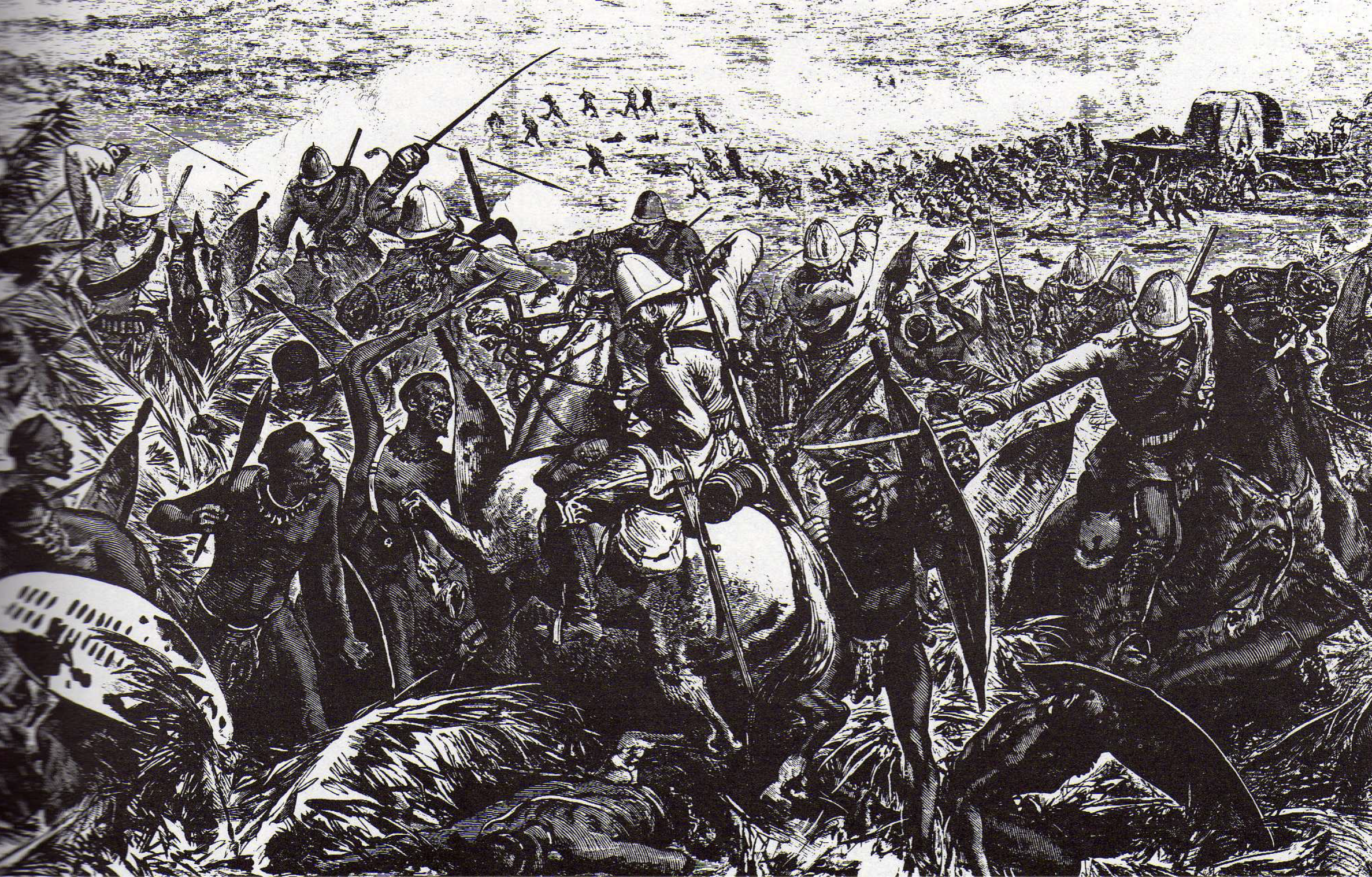
What followed was a fierce five-hour battle. Sandile’s forces employed new tactics, dropping to the ground when they heard the scream of British cannon shells before surging forward again. This fire-and-movement approach marked a significant shift in Xhosa battle tactics.
Despite their efforts, however, Sandile’s forces could not break through. The defenders, which included British troops, Khoekhoe Cape Mounted Riflemen, and amaMfengu warriors, held firm. The battle was a turning point in the war, but it has been largely forgotten in historical accounts.
The Aftermath: A Pyrrhic Victory?
While the British held their positions, Sandile’s forces seized thousands of cattle and sheep, retreating to the Amatola Mountains. This was seen as a victory for the amaXhosa, even though the British claimed the tactical upper hand.
Governor Sir Harry Smith, meanwhile, was scrambling for reinforcements, seeking help from the Boers and even requesting warriors from King Mpande of the amaZulu. These efforts, however, were rebuffed. The war continued to rage on, with no clear end in sight.
Conclusion: The Evolving Tactics of War
The Battle of Alice and Fort Hare, though a significant event, was just one part of the broader 8th Frontier War. The conflict between the amaXhosa and the British was far from over. As we will explore in future episodes, the settlers along the eastern Cape frontier began to realise that they could no longer rely solely on the British army to defend their interests.

This marks a shift in colonial dynamics, as settlers increasingly took matters into their own hands, adapting to the African landscape and learning from their adversaries.

Thomas Stubbs led a group of local settler specialists called the Albany Rangers through the war and was credited with major successes. More about these can be found in a Masters thesis by ET McGeoch completed in 1965 and a link to the Rhodes University archive document can be found here.
The tactics of the amaXhosa would evolve, but so too would those of the settlers.

Listen to the podcast on Apple Podcasts


Leave a Reply