


Unfolding Chaos in the Cape: The Rise of Prophet Mlanjeni and the Eighth Frontier War
Episode 179: Another Messianic Prophet Emerges in 1850 – Mlanjeni the Wardoctor
In 1850, the Cape Colony was simmering with tension. A new messianic figure, Prophet Mlanjeni, rose to prominence, stirring up both hope and fear among the amaXhosa people. Like his predecessors, Mlanjeni combined the allure of ancient amaXhosa mysticism with a message that resonated deeply with the people under colonial threat. His emergence coincided with a drought, a natural event that exacerbated the already tense relationship between the amaXhosa and the British settlers.
Mlanjeni’s rise began when he called upon local spiritual leaders to undergo a cleansing ritual between two poles at his home among the Ndlambe people, under the watchful eyes of Commissioner John Maclean. His growing influence concerned Maclean, who reported to Governor Harry Smith about the fervor surrounding Mlanjeni’s prophecies. The prophet preached that the ancestors would rise again to drive the English into the sea, a message that resonated deeply with the amaXhosa people, who were disillusioned with both their leaders and the British.

Mlanjeni’s fasting and alleged conversations with the spirit world bolstered his claims of divine power, allowing him to gain significant followers. He urged the rejection of witchcraft and traditional practices like “smelling out” witches, challenging the established traditional healers and bringing him into conflict with the British, who were also attempting to suppress these practices. Mlanjeni’s rhetoric evolved from spiritual cleansing to a call for armed resistance, advocating for the destruction of cursed dun-colored cattle and promising victory against the British invaders. His followers, brandishing geranium sticks, believed themselves protected by his magic.
The British, misjudging the situation, attempted to arrest Mlanjeni, only to see him evade capture, thus amplifying his mystical reputation. Tensions rose further as the Ndlambe chief Mqhayi assured Maclean that Mlanjeni was not a threat, but Maclean’s aggressive actions, including destroying Umlanjeni’s hut and poles, only solidified his status as a symbol of resistance. The growing support for Mlanjeni set the stage for the looming conflict, with chiefs like Sandile aligning with him, seeing no other option as British actions continued to alienate the amaXhosa people.
Episode 180: Missionary Brown’s Philanderings and the Redcoats Face Armageddon in the Boma Pass

The Cape Colony was a powder keg as 1850 drew to a close. Mlanjeni’s influence continued to grow, with his followers believing in his miraculous powers and divine protection. His message evolved into a rallying cry against colonial oppression, demanding the rejection of European symbols like gum trees and the destruction of light-coloured cattle.
In this climate of rising tension, the British colonial authorities, led by Governor Harry Smith, sought to quell the unrest by showing a force of arms. Smith deployed three military columns to contain the growing resistance, with one led by Lieutenant Colonel George Mackinnon, tasked with capturing Sandile. Mackinnon’s column, however, was caught off guard by a strategic amaXhosa ambush in the Boma Pass, a narrow, treacherous route through the Amatola Mountains.

The British soldiers, unprepared and unable to load their muskets before entering the pass due to standing orders, found themselves in a chaotic and deadly skirmish. The ambush, orchestrated by amaXhosa leaders Maqoma and Sandile, capitalized on the element of surprise and the British underestimation of their strategic prowess. Maqoma, despite being labeled a drunken beast by the British, demonstrated his tactical acumen, using the terrain to his advantage and effectively cutting the British column in half.
While some British troops managed to fight their way out of the pass, including Lieutenant John Jarvis Bisset, who was wounded but crucial in rallying the troops, the ambush highlighted the growing capabilities and resolve of the amaXhosa warriors. The British were left in disarray, and the colonial authorities’ attempts to arrest Sandile had only further inflamed tensions, setting the stage for a broader conflict.
Simultaneously, missionary activities in the region faced challenges. George Brown, a controversial figure known for his scandalous behaviour, symbolised the complex relationship between missionaries and the local communities. His affairs with amaXhosa women and subsequent investigation underscored the cultural tensions and the missionaries’ sometimes problematic role in the colonial enterprise.
Episode 181: The amaXhosa Ambush Mackinnon’s Column and a Quick Introduction to Tiyo Soga

As 1850 transitioned into 1851, the Cape Colony was engulfed in conflict. The ambush at Boma Pass was a turning point, demonstrating the amaXhosa’s resilience and strategic capability. Lieutenant Colonel Mackinnon, still reeling from the shock of the ambush, led his battered troops to the Uniondale mission station at Keiskamma Hoek, where they regrouped under the watchful eyes of figures like Robert Niven and the enigmatic Tiyo Soga.
Tiyo Soga, a pivotal figure in the history of South Africa, emerged as a beacon of cultural exchange and intellectual advancement. Having studied in Scotland, he became the first black minister ordained overseas, and his return to South Africa with his Scottish wife marked a significant moment in the intersection of cultures. Soga’s contributions to literature and education, including translating Pilgrim’s Progress into isiXhosa, positioned him as a bridge between worlds during a time of conflict.

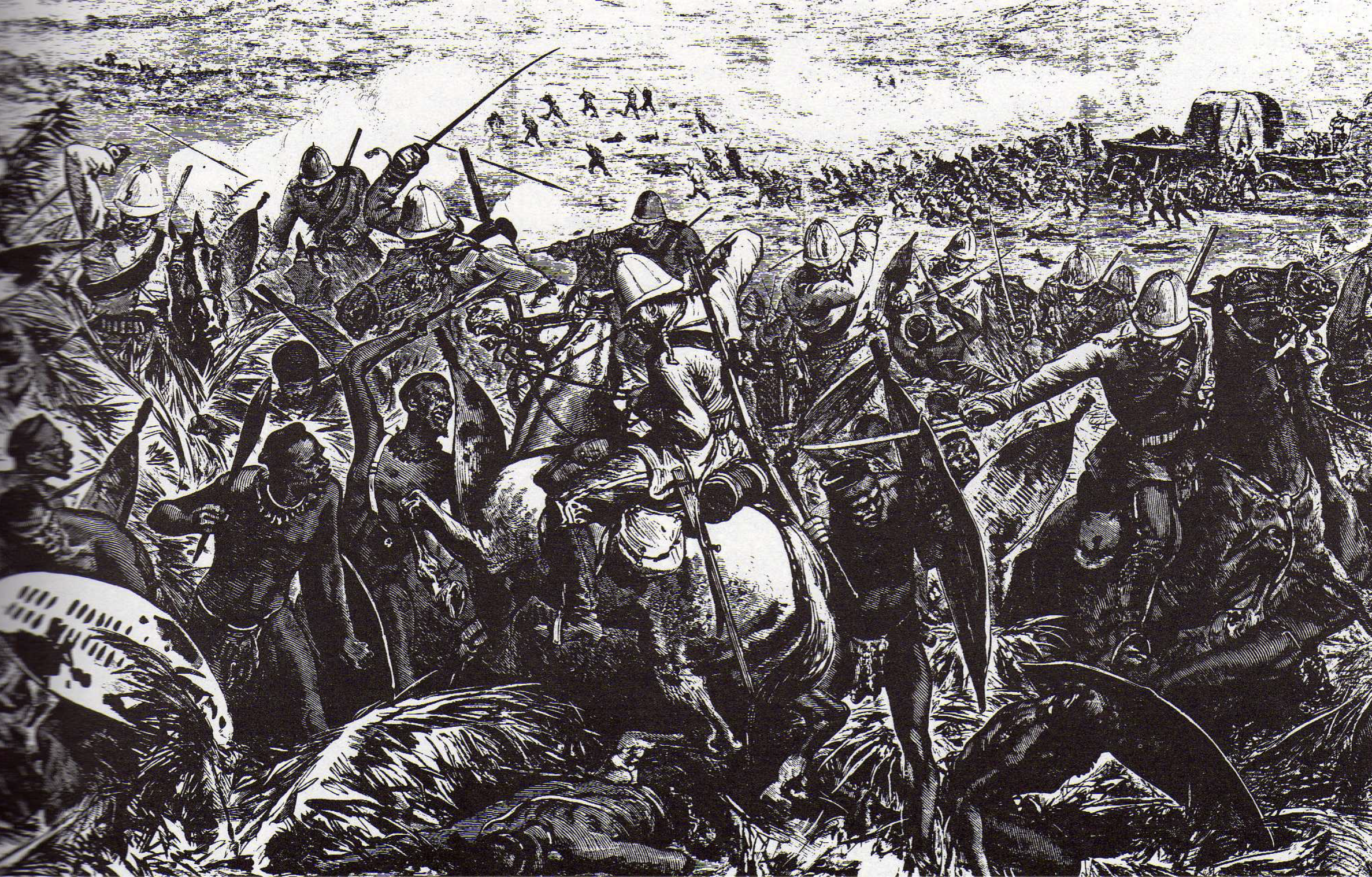
Meanwhile, the British troops, suffering from exhaustion and continuous harassment by amaXhosa warriors, were forced into a grueling march back to Fort White. The amaXhosa, led by strategic minds like Sandile and Maqoma, executed guerrilla tactics, cutting down the British soldiers’ morale and numbers. The British, hampered by their adherence to outdated tactics and an underestimation of the amaXhosa resolve, struggled to maintain their foothold in the region.
The events at Boma Pass and the ensuing skirmishes highlighted the amaXhosa’s strategic evolution. No longer relying solely on traditional weapons like assegais, they effectively employed firearms, acquired through trade and conflict, to challenge the British forces. The British, caught off guard by the amaXhosa’s tactics and resilience, faced a formidable opponent in a landscape that was increasingly hostile to their presence.
Episode 182: The English Column’s Desperate March to Fort White
Christmas Day 1850 marked the beginning of what would become known as the Eighth Frontier War, a protracted and bitter conflict that would test the resolve of all involved parties. The British column under Mackinnon, retreating to Fort White, endured relentless assaults from the amaXhosa warriors, who were emboldened by their success at Boma Pass.
The British soldiers, weakened by hunger and heat, were in a dire situation. The landscape, once a strategic advantage, now worked against them as they struggled to traverse the Amatola Mountains under constant threat from amaXhosa sharpshooters. The British, despite their superior numbers and firepower, were hampered by rigid command structures and an inability to adapt to guerrilla tactics.

As the British forces converged on Fort White, they were confronted with a grim scene: the aftermath of a massacre that left twenty British soldiers dead. This chilling discovery underscored the ferocity and determination of the amaXhosa resistance. Inside the fort, the situation was dire, with the remaining troops outnumbered and outmaneuvered by Sandile’s forces.
Governor Harry Smith, besieged at Fort Cox, faced the harsh reality of his underestimation of the amaXhosa and their charismatic leaders. The British Empire, accustomed to swift victories, now confronted a protracted and unpredictable war. The savioor, ironically, lay in the hands of a friendly Xhosa messenger who carried the call for reinforcements across the frontier, highlighting the complex dynamics and unexpected alliances that characterized the conflict.
The Eighth Frontier War, also known as Mlanjeni’s War, would become one of the longest and most challenging conflicts in South African history. As settlers fled the region, leaving behind burning homes and a land in turmoil, the stage was set for a struggle that would shape the future of the Cape Colony and its inhabitants. The war’s impact would resonate far beyond the battlefield, influencing the cultural and political landscape of South Africa for generations to come.
Here are some links to these episodes :



Leave a Reply