
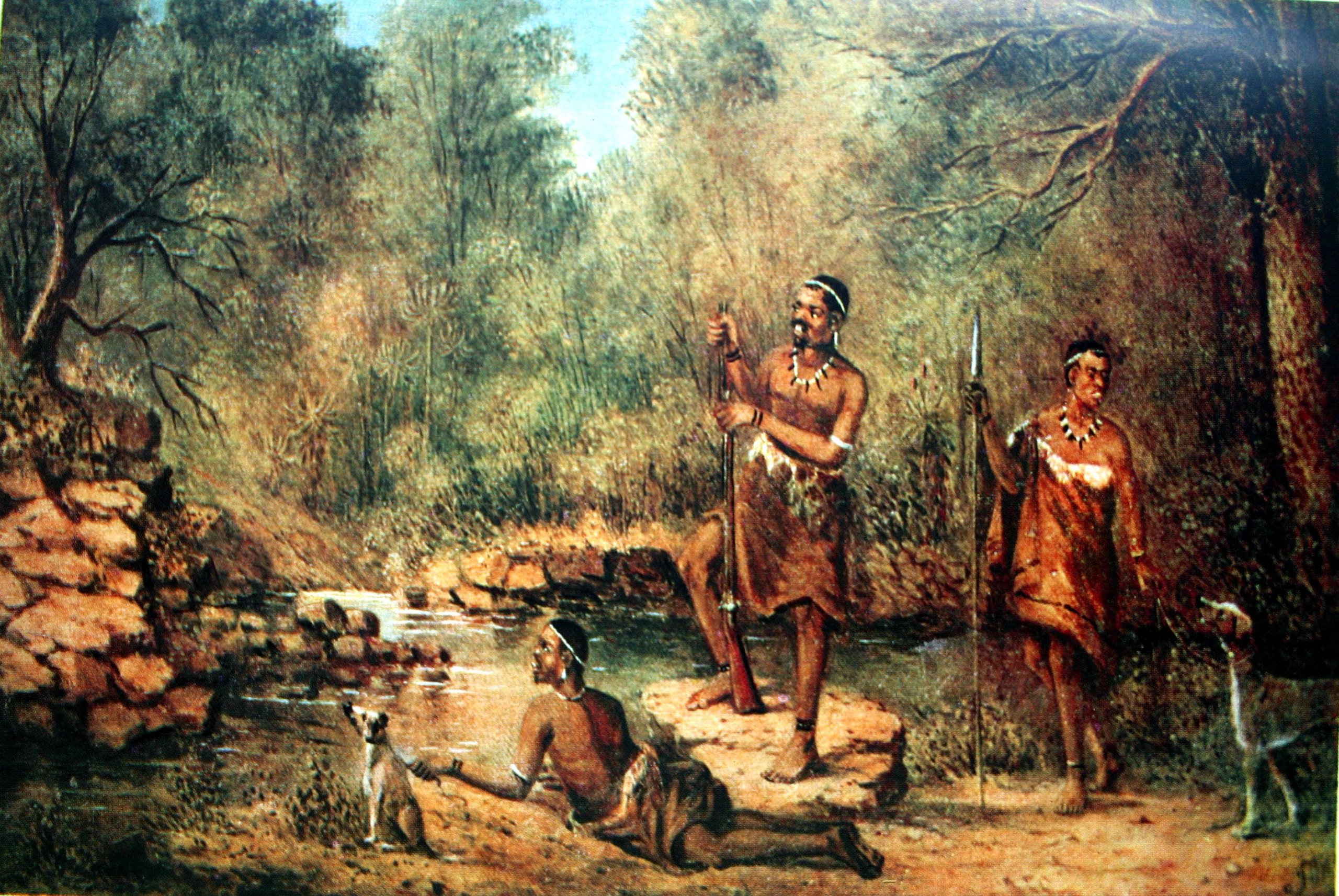
The War of the Axe/War of the Boundary:
In this episode, the atmosphere in Xhosaland was ablaze with indignation. A Mr. Holliday had complained in Fort Beaufort that an imaDange man called Tsili had stolen his axe. If you recall from the last episode, Tsili had been arrested then freed while under military escort by Tola, a headman who lived nearby.
Tactics and Weapons of the amaXhosa:
The amaXhosa were experts at downing passing birds with throwing spears, their intshuntshe, which were also used to kill game. The long haft of the intshuntshe would resonate, quiver, and vibrate when it struck its target, the shaking adding to its power of penetration.
Preparation for Battle:
Before any war broke out, councillors from both sides tended to try to sort out conflicts using diplomacy. If war was declared, the chief would gather his men at his Great Place, where the warriors would be briefed about the causes of the war and everyone would dance and sing, then be doctored for the coming battle.
War Doctors and Rituals:
The War doctors traveled with the army and were believed to have the power to call down thick mist or make warriors invisible. The young warriors would lead the march, with the chief at the rear along with his bodyguard, the amafanenkosi, those who would die for the chief. The amafanenkosi would urge the warriors on and prevent some from fleeing.
Change in Warfare and Tactics:
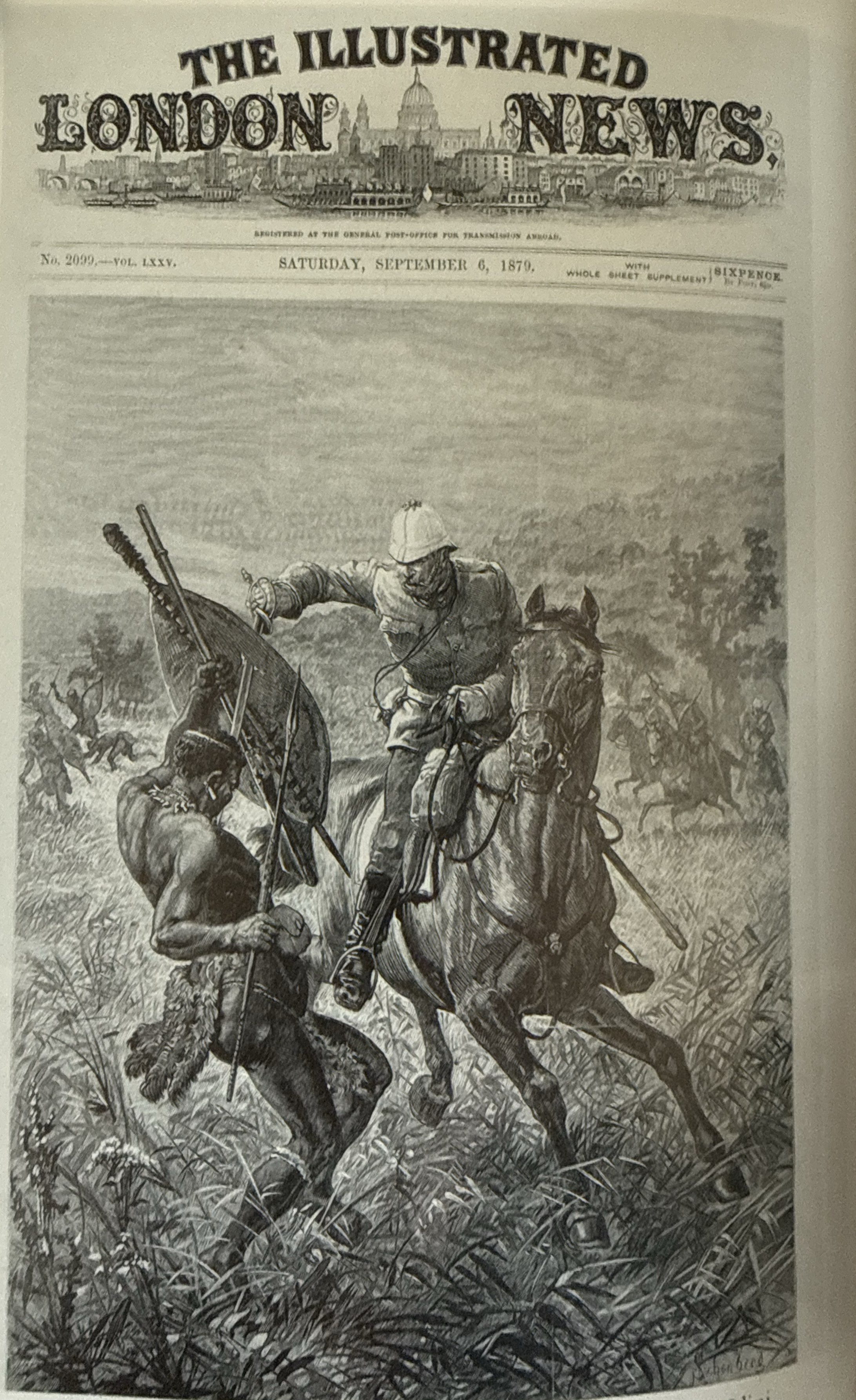
The Seventh War saw a marked shift in tactics and weapons, with the amaXhosa arming themselves with muskets and deploying their bush strategy. They did not charge in open countryside like the amaZulu. They tended to use the geography in a more nuanced fashion.
These were flintlocks, prone to misfires, out-of-date weapons. The British and the Cape Mounted Rifles were armed with the new percussion lock smoothbore muskets, featuring a brass percussion cap coated with mercury. The amaXhosa were now deploying their men in classic guerilla warfare manner, using the bush as cover and firing from a distance or trying to lure the soldiers into thickets.

Colonial Advance and Initial Success:
Maitland declared war on April 1st, 1846, and Lieutenant Governor John Hare launched a preemptive strike into Xhosaland. Colonel Somerset led three columns across the Great Fish River, heading towards Sandile’s Great Place alongside Burnshill, the abandoned Glasgow Missionary Society’s station on the slopes of the Amathola mountains.
British Encounters with AmaXhosa Tactics:
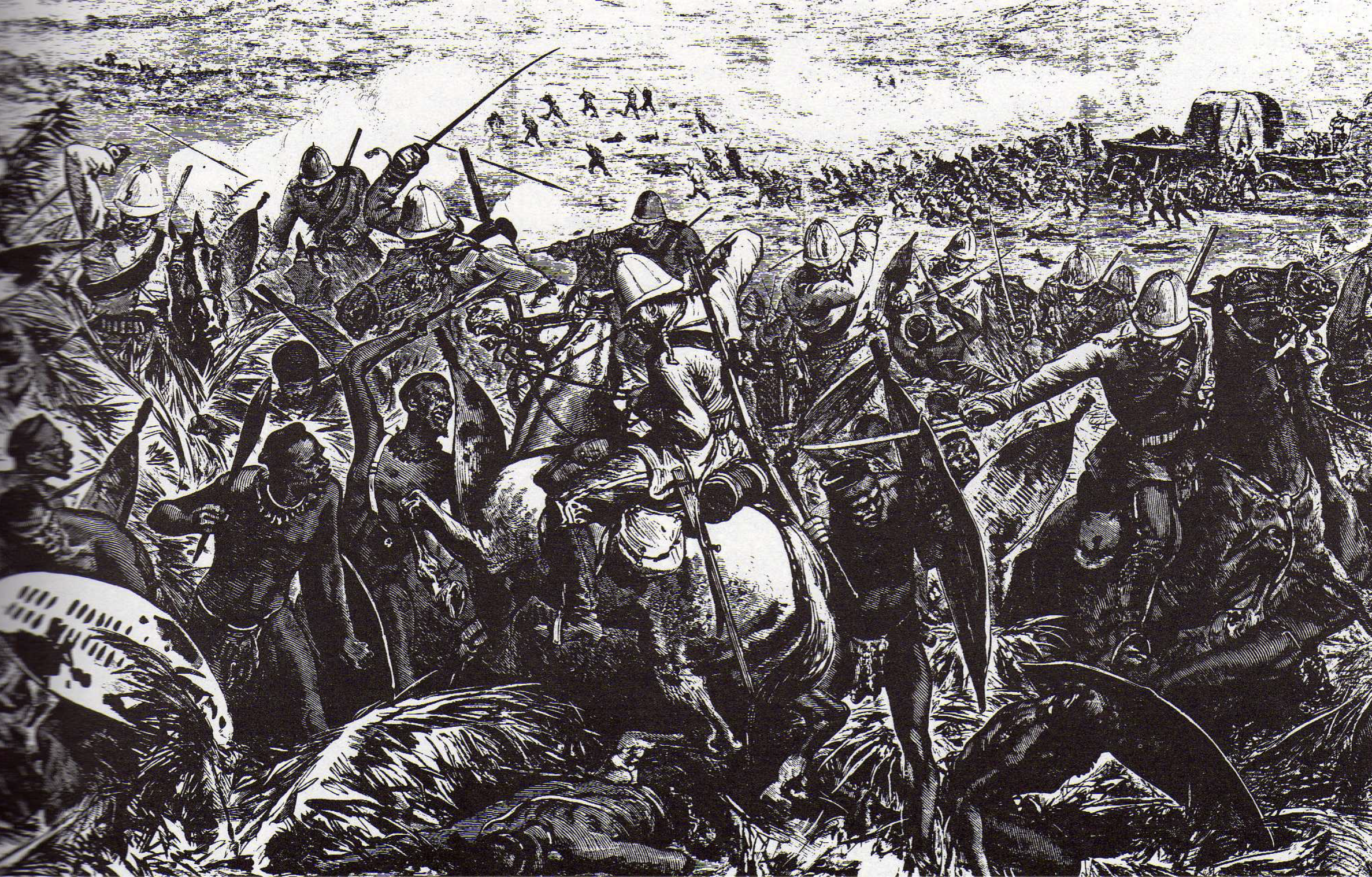
Somerset was pleasantly surprised to find no amaXhosa warriors in his way as his force arrived at Burnshill. After setting up camp there, he marched off into the Amathole valley on the 16th of April, leading 500 men. Watching him were thousands of amaNgqika warriors, many armed with muskets, who began peppering the British with heavy, albeit inaccurate, fire.
The Turning Point:

The next morning, the 18th of April, his force was surrounded again by the amaXhosa who attacked immediately, and it was only repeated volleys from his men that kept the warriors away. The British were now forced to conduct a fighting retreat, and another wagon was seized by Sandile’s men.

Leave a Reply