
Episode 150 – Dingana’s Downfall and the International Tapestry of Toyi-Toyi
Welcome back to the History of South Africa podcast, where we’ve reached a significant milestone with episode 150. As we delve into the complex narratives that have shaped South Africa, we appreciate your continued engagement and curiosity. Today, we explore the final days of Zulu King Dingana and the fascinating global journey of the iconic toyi-toyi dance.
Dingana’s Final Days: A King’s Downfall
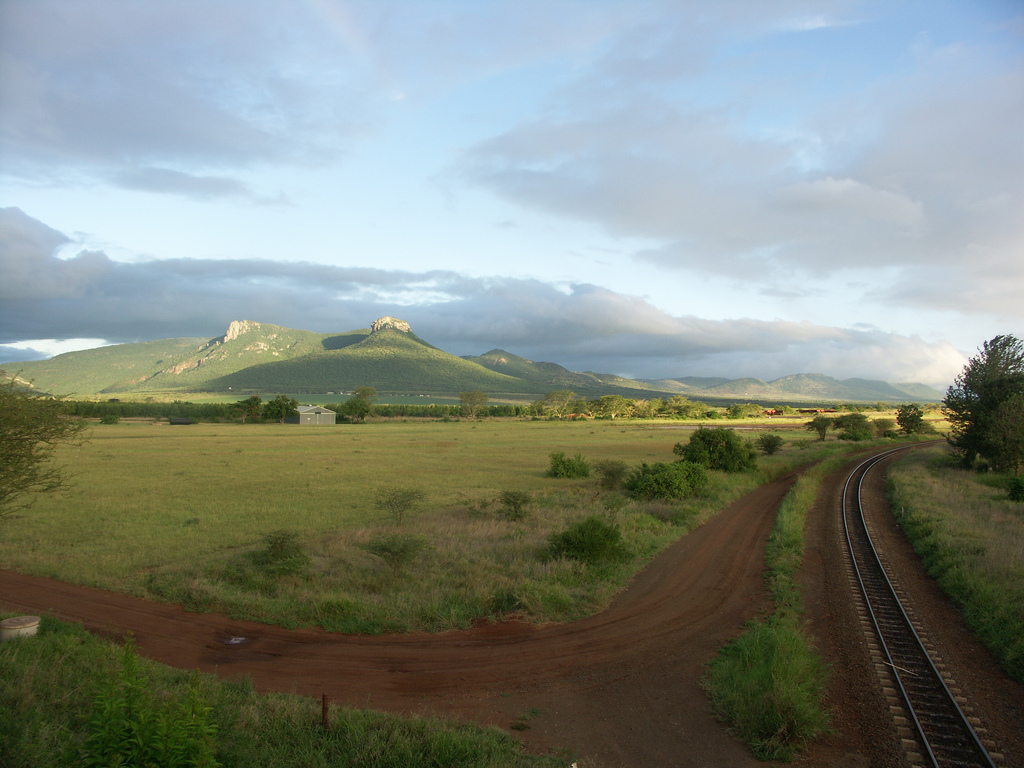
In the twilight of his reign, Dingana found himself a fugitive, fleeing from the consequences of his own decisions and the relentless pursuit of his adversaries. His retreat to the enigmatic Ghost Mountain, steeped in the lore of ancestral spirits and sacred burial sites, marked the beginning of his end. The Lebombo Mountains, with their dense forests and imposing terrain, became the backdrop for the king’s desperate bid for survival.
The abandonment of his mother, Mphikase, was a moment that underscored Dingana’s dire situation. It was an act that reverberated with his followers and enemies alike, signaling a profound shift in his fortunes. As the forces of the Boers and Mpande kaSenzangakhona converged on his hiding place, the stage was set for a confrontation that would seal his fate.
The Culmination at eSankoleni
The showdown at eSankoleni was as dramatic as the life Dingana had led. Surrounded by a small band of loyalists, including the ironically named iziToyatoyi regiment, Dingana faced an assault from the combined might of the amaSwazi and the Nyawo chief. The encounter was swift and brutal, with Dingana sustaining a fatal wound. The various accounts of his final moments reflect the complexity of his legacy, ranging from a swift end by his own guards to protracted scenarios filled with symbolism and pathos.
In the aftermath, Dingana’s resting place became a forgotten nook in the vast landscape he once ruled, only to be commemorated much later by King Goodwill Zwelethini. This quiet memorial stands in stark contrast to the tumultuous life of the king, serving as a somber reminder of the impermanence of power and the relentless march of history.
Toyi-Toyi: A Dance Across Borders
The toyi-toyi, often seen as a quintessentially South African expression of protest and unity, has roots that extend far beyond the country’s borders. Originating as a military drill among Algerian freedom fighters, the dance was adopted and adapted by Zimbabwean ZIPRA fighters before making its way into the broader liberation movements of southern Africa. The toyi-toyi’s transformation from a drill into a potent symbol of resistance is a testament to the cultural exchange and solidarity among nations striving for freedom.
The dance’s ability to raise morale, create unity, and intimidate opponents turned it into a powerful tool in the face of oppression. Its rhythmic, high-kneed movements and accompanying chants became a staple of political expression, resonating with people’s struggles and aspirations. The toyi-toyi’s journey from the Algerian battlefields to the streets of South Africa is a remarkable story of adaptation, appropriation, and the enduring human spirit.
Reflecting on Legacy and Looking Forward
As we reflect on Dingana’s dramatic life and the echoes of toyi-toyi across continents, we’re reminded of the intricate web of human history. The stories we’ve explored in this episode are more than just tales of individuals; they’re about the movements, ideas, and cultural exchanges that transcend time and geography.
Your participation in this journey enriches our collective understanding of the past and its impact on the present. We invite you to continue this exploration with us, sharing your thoughts, insights, and questions. Visit desmondlatham.blog for more content and updates, and consider supporting the podcast through the donation panel to keep these stories alive.
Join us as we venture further into the depths of South Africa’s history, uncovering the lessons, legacies, and lore that await. Until next time, goodbye, and keep the flame of inquiry burning bright.

Leave a Reply