

Episode 139 on the history of South Africa is where we dive deep into the Battle of Gatslager and explore the movements of Mzilikazi.
On 17th April 1838, the Grand Army of Natal, after crossing the Thukela River, surrounded the village of Ndondakusuka. This initial engagement was brutal, leading to the deaths of mostly women and children. Ignoring the sparse number of defenders, the Grand Army failed to anticipate a Zulu trap led by Mpande Senzangakhona.

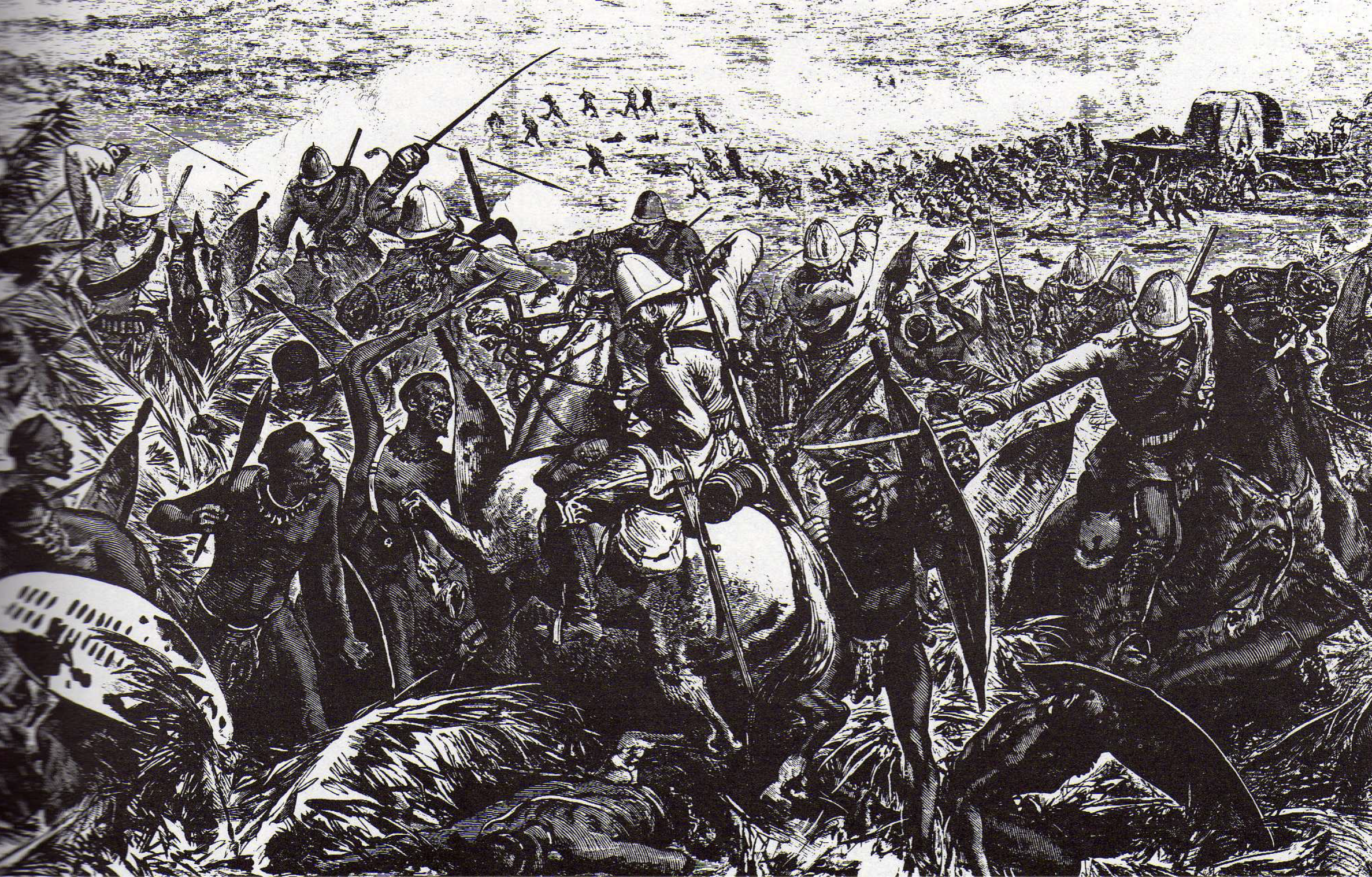
Zulu kaNogandaya, one of Dingana’s most revered warriors, observed from a distance as the Grand Army fell into their tactical trap. The Zulu forces, adopting their signature “two horns and a chest” formation, descended upon the unsuspecting Grand Army. In the ensuing chaos, the Grand Army made a fatal error by splitting their forces, allowing the Zulus to exploit this gap.
The consequences were dire. Many of the Grand Army’s forces were annihilated, marking one of the worst defeats against the AmaZulu. Piles of bones from the battle remained for over a decade near Thukela. This grim reminder stands as a testament to the Zulu’s dominance during this period.
Post-battle, the Zulu forces made a theatrical entry into Durban, bringing destruction and chaos. However, they didn’t linger. The settlers believed this would be the end of Natal, but a few, including Alexander Biggar, decided to stand their ground, despite the looming threat of another Zulu assault.
Meanwhile, a significant event took place at Delagoa Bay. Louis Trichardt reached the Portuguese port after an arduous journey, only to face miscommunications and the devastating blow of malaria, which claimed many lives, including his own.
Back with the Voortrekkers, the community was growing restless. Their craving for stability and their agricultural roots were palpable. Yet, their situation was dire, marred by disease and dwindling supplies. Amidst this, a large Zulu force, led by Ndlela kaSompiti, approached the Gatslager*. The Voortrekkers, though outnumbered, held strategic advantages that would prove pivotal in the confrontation.
As for Mzilikazi’s movements, he turned his gaze westward, as unfinished business beckoned.
Join us next time for the thrilling continuation of this saga. Until then, immerse yourself in the rich tapestry of South African history and stay curious!
*The picture above was taken in 1930 at the site of the Battle of Gatslager, which is now covered in water following the construction of the Wagendrift Dam outside Escourt.

Leave a Reply