
History of South Africa: Episodes 201–205 & Episode 41 of Plane Crash Diaries
Labour, Roads, and Visionary Governance: Sir George Grey’s Cape
Episode 201 – Labour and Lovedale: Industrial Schools and Roads are All the Rage

Governor Sir George Grey’s arrival in the Cape in 1854 marked a pivotal moment in South African history. Grey brought liberal humanist ideals, shaped by the Victorian Age’s evolutionary consciousness into the Cape. His policies emphasized education and integration of indigenous people into the colonial economy, aiming to “civilize” them through labor and industry.
Grey’s initiatives included:
- Industrial Schools: Institutions like Lovedale introduced carpentry, masonry, blacksmithing, and agriculture to amaXhosa youth, forming the foundation of black education in South Africa.
- Infrastructure Development: Grey envisioned a network of roads built by indigenous laborers, a concept blending economic integration with colonial control. Workers earned sixpence a day, yet the high cost of living meant they remained impoverished.
- Land Ownership Vision: Grey proposed property ownership for blacks, challenging the tribal systems of land tenure. This revolutionary idea aimed to foster economic independence but clashed with entrenched colonial and tribal hierarchies.

Grey’s vision, while progressive in parts, was marred by contradictions. His policies sought racial integration but relied on exploitative labour practices and economic disparities. Meanwhile, his grand ambitions often collided with the realities of British retrenchment and resistance from conservative colonial officials. Grey’s approach laid groundwork for South Africa’s complex racial and economic dynamics but also exposed the limitations of Victorian paternalism.
Boer Republics and the American Constitution
Episode 202 – America’s Constitution, the Boer Republics Link, and the Promised Land

The mid-1850s saw the consolidation of the Boer Republics of the Free State and Transvaal, with governance structures inspired by the American Constitution. The republics’ Volksraads embraced ideals like individual rights and a separation of powers, though only white males benefited. Key developments included:
- Transvaal’s Political Chaos: Divided into factions, with towns like Potchefstroom and Schoemansdal vying for dominance, the republic struggled with leadership and governance. Leaders like Marthinus Pretorius sought unity, while others clashed over land and resources.
- Free State Governance: The Free State drafted a constitution that balanced legislative, executive, and judicial powers, marking a step forward from the religiously dominated governance of early Trekker republics.
The republics’ economies remained fragile, reliant on bartering with African polities like Moshoeshoe’s Basotho kingdom. The Boers’ pastoral lifestyle depended on trade for essentials, underscoring the interconnectedness of settlers and indigenous societies. Meanwhile, land disputes with the Basotho intensified, setting the stage for future conflict.
The Siege of Makapansgat
Episode 203 – The Siege of Makapansgat and Reconstituting History

The Siege of Makapansgat in 1854 was one of the most dramatic confrontations between Boers and indigenous leaders. After Hermanus Potgieter murdered Chief Mokopane’s brother, the Kekana retaliated by killing 14 Boer settlers. This sparked a brutal Boer commando assault on the Kekana, who sought refuge in the vast Makapansgat caves.
Highlights of the siege include:
- Defensive Fortifications: The Kekana transformed the cave’s labyrinthine chambers into a fortress, creating rock barricades and using natural features for cover.
- Boer Tactics: After direct assaults failed, the Boers used gunpowder explosions, fire, and eventually starvation to subdue the defenders. They diverted the cave’s water source and blocked entrances, trapping thousands inside.
- Casualties: The siege resulted in the deaths of hundreds of Kekana, with survivors escaping, being enslaved or captured. Boer leader Piet Potgieter was killed during the conflict, immortalized in the town of Potgietersrus (now Mokopane).
The battle became a symbol of settler expansion and indigenous resistance. Kekana oral histories are notably silent on the cave’s horrors, while Boer accounts emphasize the brutality of the conflict. The siege’s legacy shaped racial and political narratives for decades.
Cetshwayo’s Rise and Natal’s Land Dynamics
Episode 204 – Planet Earth 1855: The Regal Cetshwayo kaMpande and Natal Land Realities

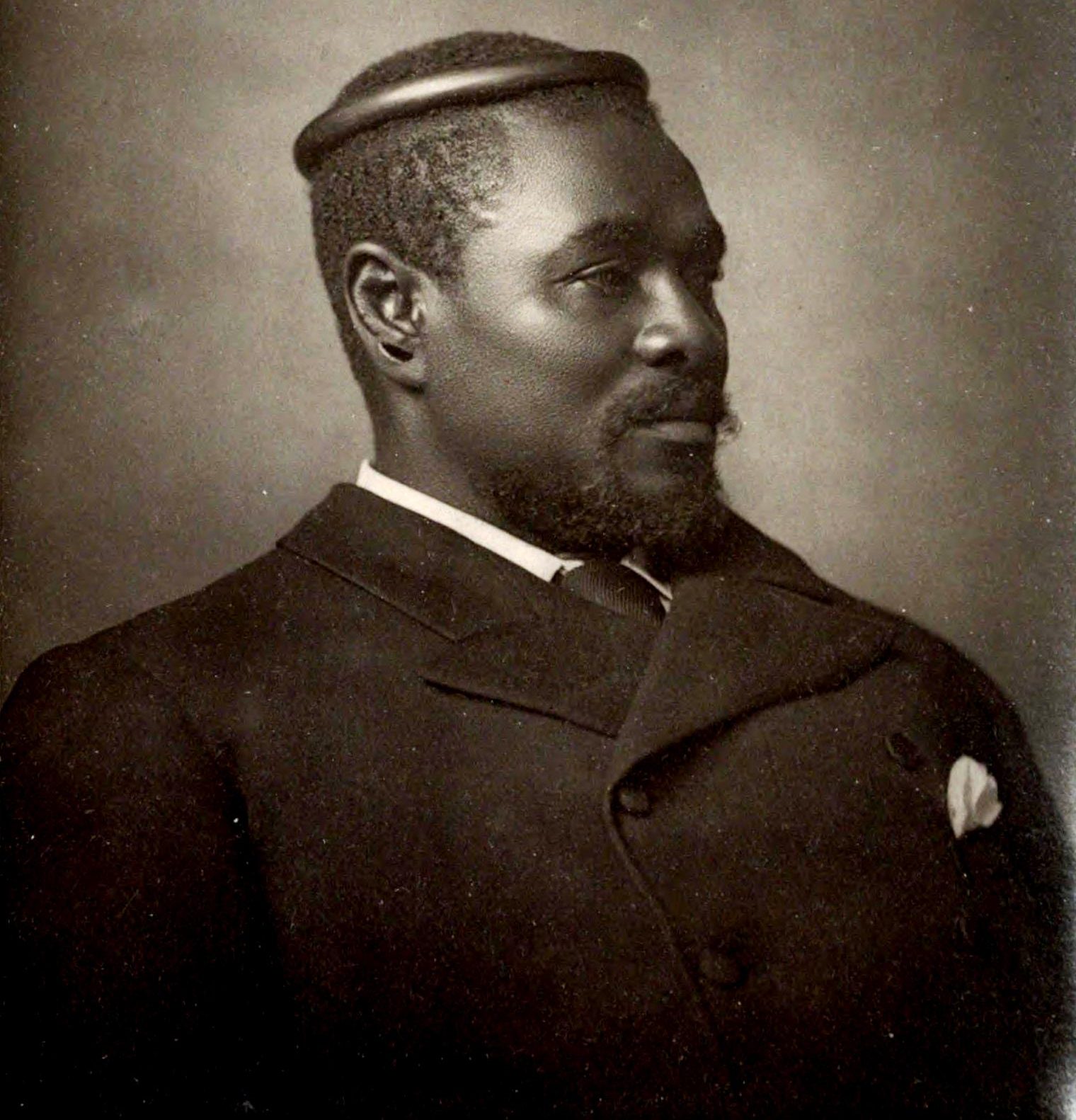
Cetshwayo kaMpande, future Zulu king, emerged as a formidable leader in the 1850s. Born into the Zulu royal family, he built alliances with northern chiefs and consolidated the uSuthu faction, distinguishing himself through military prowess and political acumen. His rivalry with half-brother Mbuyazi, leader of the iziGqoza faction, would culminate in civil war.
Key developments include:
- Cetshwayo’s Leadership: Known for his charisma and strategic brilliance, Cetshwayo commanded loyalty among Zulu regiments and allied chiefs, creating a powerful support base.
- Mpande’s Succession Dilemma: King Mpande’s vacillations between Cetshwayo and Mbuyazi fueled tensions, with rival factions arming for conflict.
- Land Disputes in Natal: British settlers, struggling with limited land and infrastructure, clashed with indigenous communities. The English settlers’ smaller, urban-centric farms contrasted with the Boers’ vast holdings, reflecting divergent colonial visions.
Cetshwayo’s early successes set the stage for his eventual rise to power and pivotal role in Zulu history, including the legendary Battle of Isandlwana.
The Free State’s Struggles and Surveying the Land
Episode 205 – A Crimean/Russian Struggle Thread, Two Disabled Free Staters, and a Surveyor Surge

The Orange Free State faced significant challenges in its early years. President Johannes Hoffman, known for his conciliatory approach toward African leaders, struggled to balance diplomacy and settler demands. Meanwhile, surveyors like Joseph Orpen worked to demarcate borders, but poor mapping practices led to disputes over land ownership and boundaries.
Highlights include:
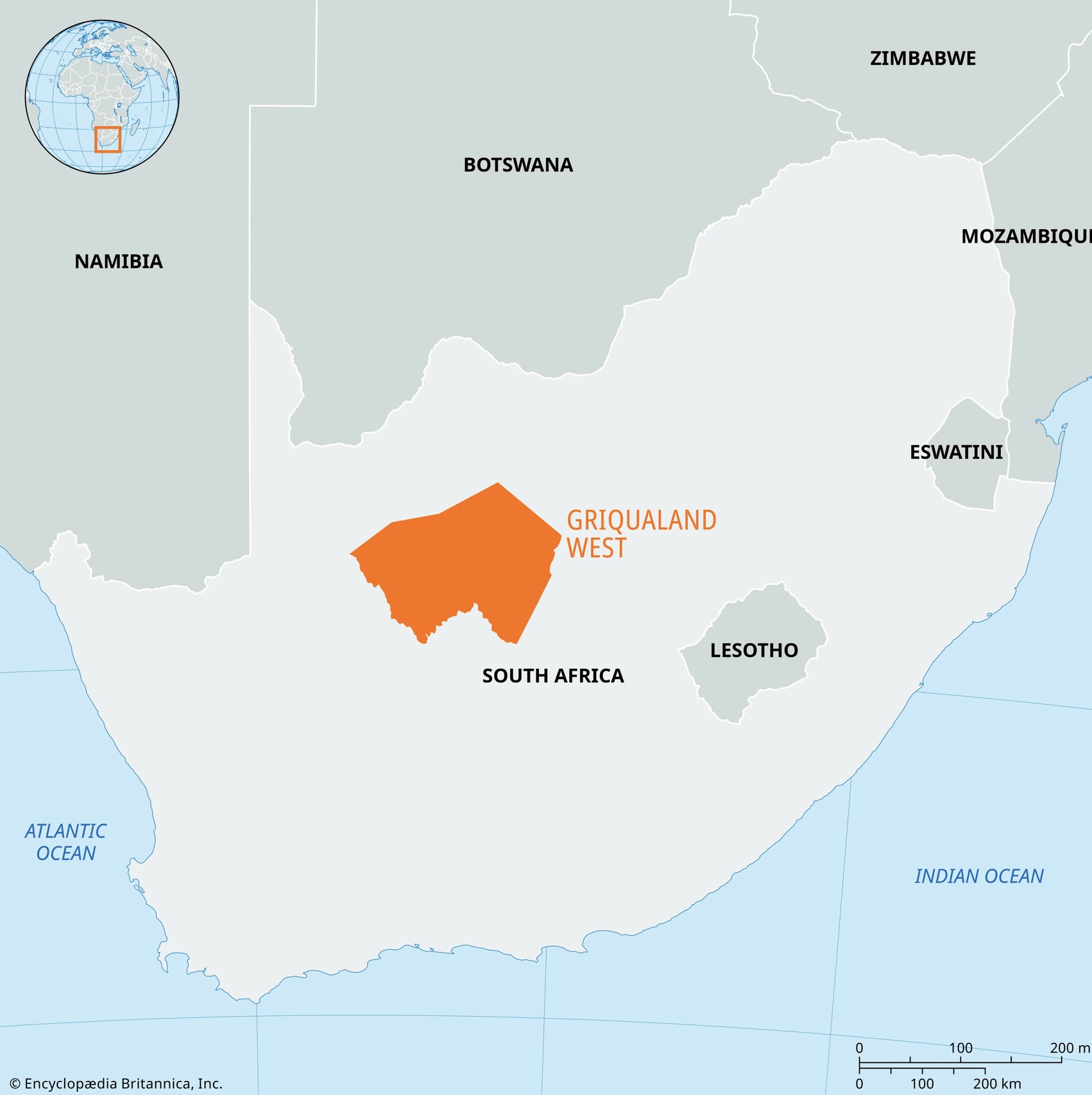
- Hoffman’s Leadership: Hoffman’s alliances with Moshoeshoe and Griqua leader Adam Kok sparked mistrust among conservative Boers, leading to his short-lived presidency.
- Land Surveying Challenges: Inaccurate surveys and overlapping claims fueled tensions. Surveyors’ tools, like the theodolite, became symbols of colonial power and division.
- Crimean War Veterans: Sir George Grey’s plan to settle Crimean War veterans in the frontier failed to foster cohesion between settlers and indigenous groups, exacerbated by lung sickness ravaging cattle populations.
Amid these struggles, tensions with Moshoeshoe’s Basotho kingdom continued to escalate, foreshadowing future conflicts that would reshape the Free State’s borders and identity.
Plane Crash Diaries: Latest Episode
Episode 41: Dangerous Dalliances – EgyptAir 804 and Aeroflot 821

In Episode 41, I explore two devastating accidents caused by substance abuse, inadequate training, and institutional negligence. These tragedies highlight the fatal impact of poor decision-making and systemic failures in aviation.
EgyptAir 804: Fatal Cigarette
On May 19, 2016, EgyptAir Flight 804, an Airbus A320, disappeared from radar while cruising at 37,000 feet en route from Paris to Cairo. The crash claimed the lives of all 66 onboard, including passengers, crew, and security personnel.
Key findings and issues:
- Ignored Warnings: The aircraft had logged numerous mechanical faults on previous flights, including oxygen system leaks, but these were ignored by maintenance crews.
- Cockpit Fire: Investigators concluded that a fire ignited in the cockpit, fueled by leaking oxygen from a pilot’s improperly set emergency oxygen mask. Shockingly, Egyptian pilots routinely smoked in cockpits despite these warnings.
- Smoking Gun: The fire was likely sparked by a lit cigarette in proximity to the oxygen leak. This negligence, combined with repeated dismissal of maintenance issues, led to the blaze spiraling out of control.
- Obstruction of Investigation: Egypt resisted transparency, initially blaming terrorism and withholding Cockpit Voice Recorder (CVR) data. France eventually accessed the data, revealing the true cause: smoking combined with the oxygen leak.
The tragedy underlined the need for stricter enforcement of safety protocols, particularly regarding cockpit behavior and maintenance practices.
Aeroflot 821: Intoxicating Illusions
On September 14, 2008, Aeroflot Flight 821, a Boeing 737, crashed during its approach to Perm International Airport in Russia. The disaster killed all 88 passengers and crew, including prominent Russian figures.

Key findings and issues:
- Untrained Crew: Both pilots lacked sufficient experience with Western-style avionics. Captain Medvedev and First Officer Allaberdin had flown primarily Russian analog aircraft, and their transition training was grossly inadequate.
- Language Barrier: Neither pilot was proficient in aviation English, further complicating their ability to understand instructions and aircraft systems.
- Equipment Malfunctions: The aircraft had persistent throttle issues, forcing pilots to manually adjust the engines in critical phases of flight. These issues were ignored during maintenance.
- Spatial Disorientation: During the approach, Captain Medvedev, likely confused by unfamiliar instruments and poor visibility, lost spatial orientation. The plane banked sharply, flipped, and plunged into the ground.
- Alcohol Impairment: Postmortem analysis revealed the captain’s blood alcohol level was 0.11%, severely impairing his judgment and reaction time.
The Aeroflot 821 tragedy exposed widespread flaws in Russian aviation training and maintenance protocols. Reforms, including improved simulator training and mandatory English proficiency, were implemented in response.
Lessons from the Episodes
These incidents demonstrate how preventable factors—substance abuse, neglected maintenance, and inadequate training—can lead to catastrophic outcomes. Both accidents spurred reforms, but their legacies are marred by the tragic loss of life.



Leave a Reply to ColinCancel reply