
Episode 14 – The Winter War
The Winter War between Finland and the Soviet Union, which ended with the signing of a peace agreement on March 13, 1940, has left a profound impact on Finland’s territorial integrity and national psyche. Despite the cessation of hostilities, the consequences of the war are far-reaching and continue to shape Finnish history and identity.

© By Peltimikko – Own work, Public Domain, https://commons.wikimedia.org/w/index.php?curid=7801879
Territorial Losses and Human Cost
Finland ceded significant portions of its territory to the Soviet Union, including the entire Karelian Isthmus, chunks of its Arctic land, and parts of its eastern border. These territorial losses amounted to 10 percent of Finland’s pre-war surface area. Additionally, close to 12 percent of Finland’s population had to be resettled from the ceded lands.
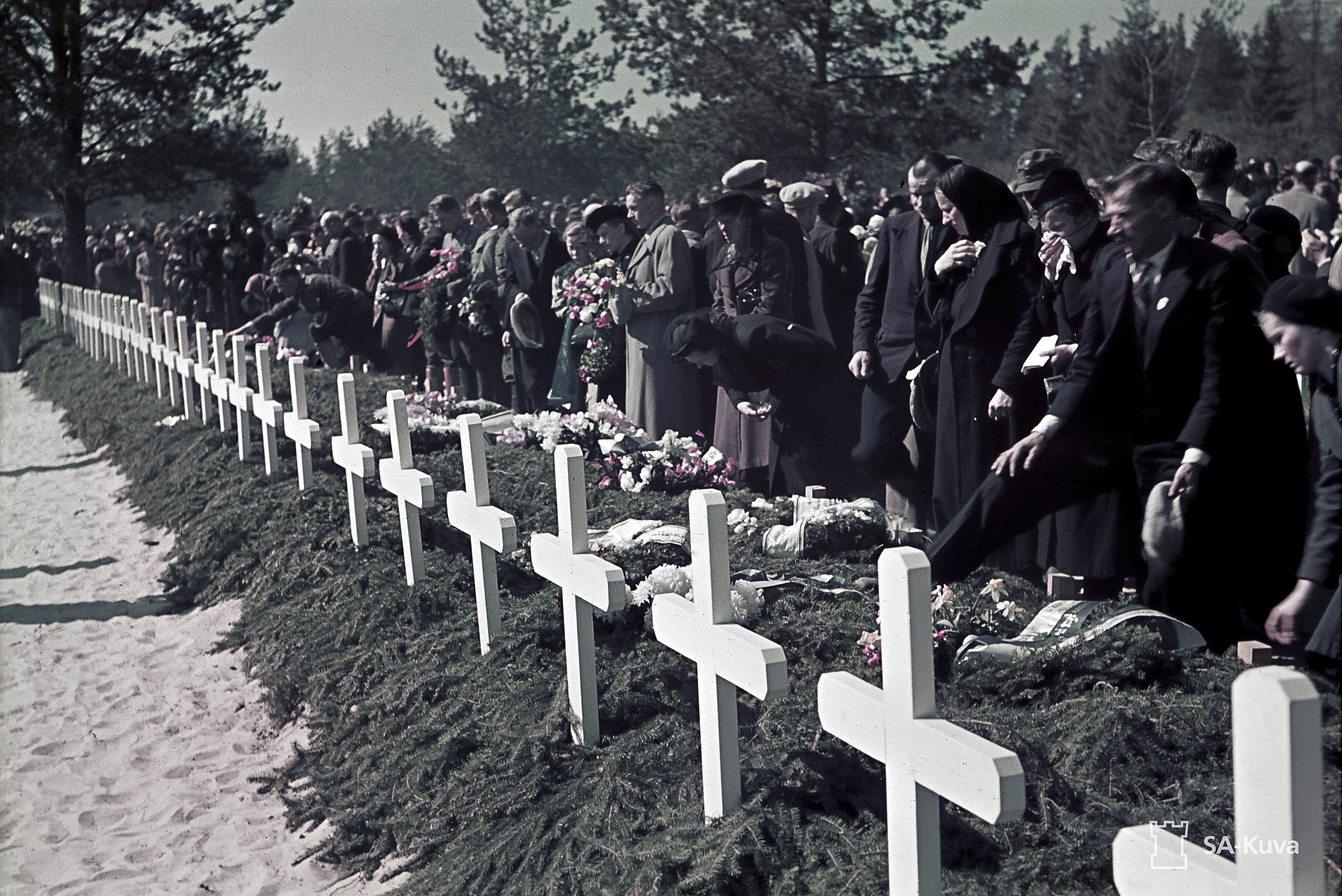
The human cost of the war was staggering. Approximately 25,000 Finnish civilians and soldiers lost their lives, with 44,000 wounded and 9,500 permanently disabled. On the Soviet side, the true number of casualties is obscured by propaganda, but estimates suggest around 200,000 soldiers died, with another 400,000 wounded. These losses underscore the high price Finland paid for its independence and territorial integrity.
Repercussions and Resettlement
The aftermath of the war saw significant changes to Finland’s landscape and population. Cities like Viipuri were lost, renamed Vybord under Soviet control. Outlying islands, shorelines, and strategic areas like Salla and Kuusamo were also handed over. The Soviet Union’s demand for the strategic Hankoniemi peninsula further underscored their desire to secure the Gulf of Finland.
The resettlement of Finns from ceded territories was a massive undertaking. Over 420,000 refugees had to leave their ancestral lands within ten days, causing logistical challenges for the Helsinki government. Despite these challenges, the Finnish government showed compassion, redistributing land to the refugees and ensuring there was enough food to go around.
Lingering Effects and Future Uncertainties
The Winter War’s impact extended beyond territorial losses. Wartime rationing, censorship, and travel restrictions continued after the peace, reflecting the enduring effects of the conflict on Finnish society. Moreover, Finland’s geopolitical position remained precarious, with the specter of future conflicts looming large.
Lessons for Today
The Winter War’s legacy serves as a cautionary tale for contemporary geopolitics. As Russia under Vladimir Putin adopts a similarly antagonistic stance towards Finland and its neighbors, history offers valuable lessons. The world must not appease dictators, as Finland learned the hard way. Instead, standing up to aggression is crucial in deterring further encroachments on sovereignty.

Conclusion
The Winter War, though a chapter in history, continues to resonate in Finland and beyond. Its lessons about the cost of appeasement, the resilience of nations, and the enduring struggle for independence and sovereignty are as relevant today as they were in 1940. Finland’s courage and resilience in the face of overwhelming odds serve as a reminder of the human spirit’s indomitable nature.

Leave a Reply